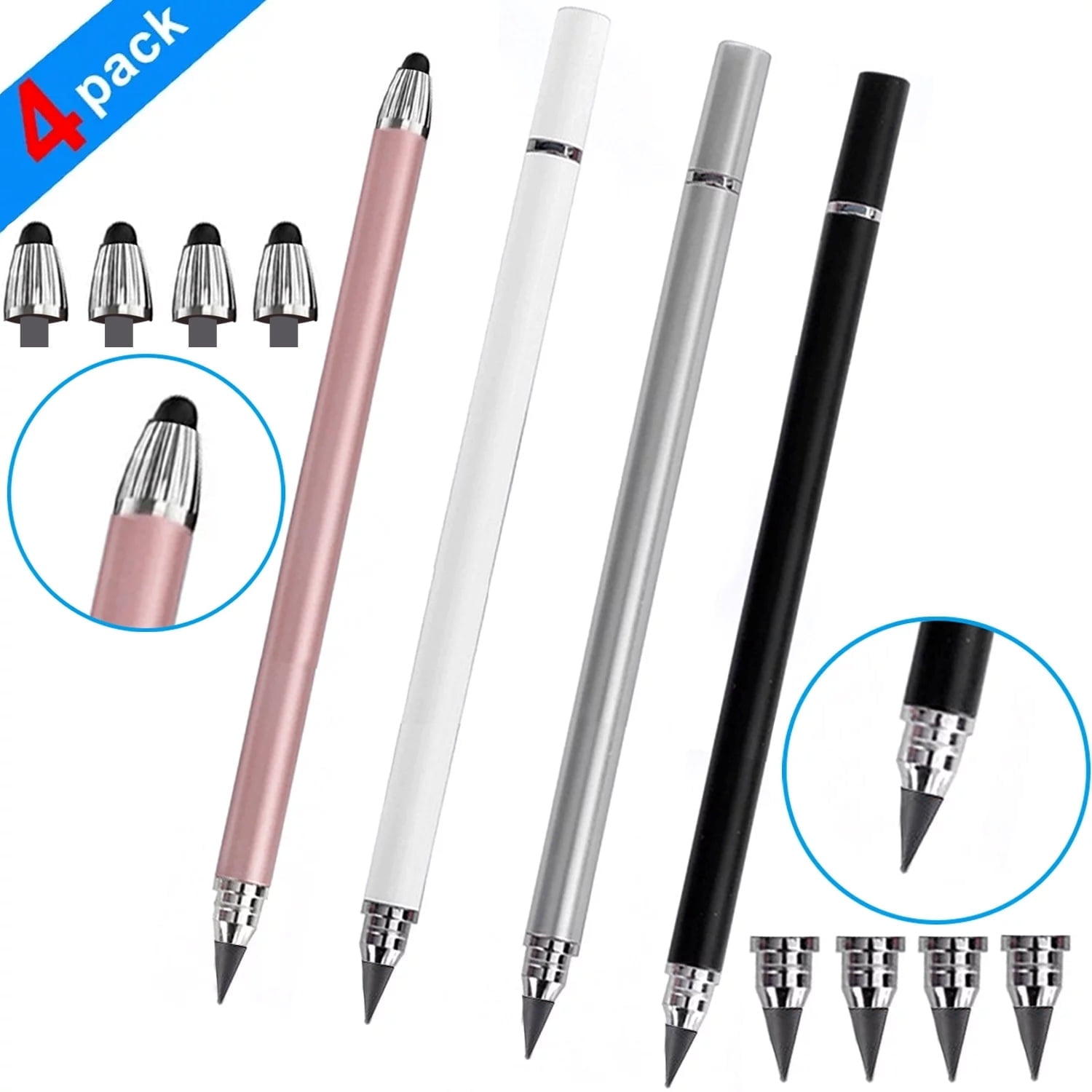

In the digital age, where touchscreens have become ubiquitous, the question "What is a stylus?" often arises. A stylus is a pen-like device designed to interact with touchscreen devices, offering precision and control that far surpasses the capabilities of a fingertip. Whether you're an artist, a designer, a student, or a professional, understanding the benefits and uses of a stylus can significantly enhance your digital experience.
Understanding the Basics of a Stylus
A stylus is essentially a tool that mimics the functionality of a human finger but with added precision. It is used to navigate, draw, write, and interact with touchscreen devices such as tablets, smartphones, and graphic tablets. The primary advantage of using a stylus is the enhanced accuracy it provides, making it ideal for tasks that require fine detail and control.
Types of Styluses
Styluses come in various types, each designed for specific purposes and devices. Here are some of the most common types:
- Capacitive Styluses: These are the most basic type and work by mimicking the electrical properties of a human finger. They are compatible with most touchscreen devices but lack pressure sensitivity.
- Active Styluses: These styluses use a battery and advanced technology to provide pressure sensitivity, tilt recognition, and palm rejection. They are often used by artists and designers for digital drawing and painting.
- Electromagnetic Styluses: These are used with graphic tablets and work by detecting the stylus's position through an electromagnetic field. They offer high precision and are commonly used in professional settings.
- Optical Styluses: These styluses use a camera to track the tip's position on the screen. They are less common but offer high accuracy and are often used in specialized applications.
Key Features to Consider
When choosing a stylus, several key features should be considered to ensure it meets your needs:
- Pressure Sensitivity: This feature allows the stylus to detect the amount of pressure applied, enabling varying line widths and opacity in drawing applications.
- Tilt Recognition: This feature allows the stylus to detect the angle at which it is held, mimicking the natural feel of a traditional pen or brush.
- Palm Rejection: This feature prevents the device from registering unintended touches from your palm, ensuring a smoother drawing experience.
- Battery Life: For active styluses, battery life is crucial. Look for styluses with long battery life and convenient charging options.
- Compatibility: Ensure the stylus is compatible with your device. Some styluses are designed for specific brands or models, while others are more universal.
Benefits of Using a Stylus
Using a stylus offers numerous benefits, making it a valuable tool for various applications:
- Precision and Control: A stylus provides much greater precision than a fingertip, making it ideal for detailed work such as drawing, writing, and editing.
- Ergonomics: Holding a stylus is more natural and comfortable than using a finger, reducing strain and fatigue during extended use.
- Versatility: Styluses can be used for a wide range of tasks, from note-taking and sketching to graphic design and photo editing.
- Hygiene: Using a stylus can help keep your screen clean and free from fingerprints and smudges, maintaining the device's appearance and hygiene.
Popular Stylus Brands and Models
Several brands and models stand out in the stylus market, each offering unique features and benefits. Here are some of the most popular options:
| Brand/Model | Key Features | Best For |
|---|---|---|
| Apple Pencil (2nd Generation) | Pressure sensitivity, tilt recognition, palm rejection, wireless charging | iPad users, artists, designers |
| Wacom Bamboo Sketch | Pressure sensitivity, tilt recognition, palm rejection, compatible with various devices | Artists, designers, students |
| Logitech Crayon | Pressure sensitivity, tilt recognition, palm rejection, affordable | iPad users, students, note-takers |
| Samsung S Pen | Pressure sensitivity, tilt recognition, palm rejection, integrated with Samsung devices | Samsung Galaxy users, artists, designers |
📝 Note: The compatibility and features of styluses can vary significantly between brands and models. Always check the specifications to ensure the stylus meets your specific needs.
How to Choose the Right Stylus
Choosing the right stylus depends on your specific needs and the tasks you plan to perform. Here are some steps to help you make an informed decision:
- Identify Your Needs: Determine what you will primarily use the stylus for, such as drawing, note-taking, or navigating your device.
- Check Compatibility: Ensure the stylus is compatible with your device. Some styluses are designed for specific brands or models.
- Consider Key Features: Look for features like pressure sensitivity, tilt recognition, and palm rejection, depending on your requirements.
- Read Reviews: Check reviews and ratings from other users to get an idea of the stylus's performance and reliability.
- Set a Budget: Determine how much you are willing to spend. Styluses can range from affordable options to high-end models with advanced features.
By following these steps, you can find a stylus that perfectly suits your needs and enhances your digital experience.
Tips for Using a Stylus Effectively
To get the most out of your stylus, consider the following tips:
- Practice Regularly: Like any tool, using a stylus effectively requires practice. Spend time experimenting with different techniques and settings.
- Adjust Settings: Many devices and applications allow you to customize stylus settings. Experiment with pressure sensitivity, tilt recognition, and other features to find what works best for you.
- Use a Grip: Some styluses come with interchangeable tips or grips that can enhance comfort and control. Choose a grip that feels natural and comfortable in your hand.
- Keep It Clean: Regularly clean the tip of your stylus to ensure optimal performance and prevent smudges on your screen.
- Store Properly: When not in use, store your stylus in a protective case or pouch to prevent damage and keep it clean.
By following these tips, you can maximize the benefits of using a stylus and enhance your overall digital experience.
In conclusion, understanding “What is a stylus?” and its various types, features, and benefits can significantly enhance your interaction with touchscreen devices. Whether you’re an artist, designer, student, or professional, a stylus offers precision, control, and versatility that can transform your digital workflow. By choosing the right stylus and using it effectively, you can unlock new possibilities and elevate your digital creativity to new heights.
Related Terms:
- definition of stylus
- what does a stylus mean
- how does the stylus work
- what is stylus in computer
- stylus definition computer
- stylus meaning in computer