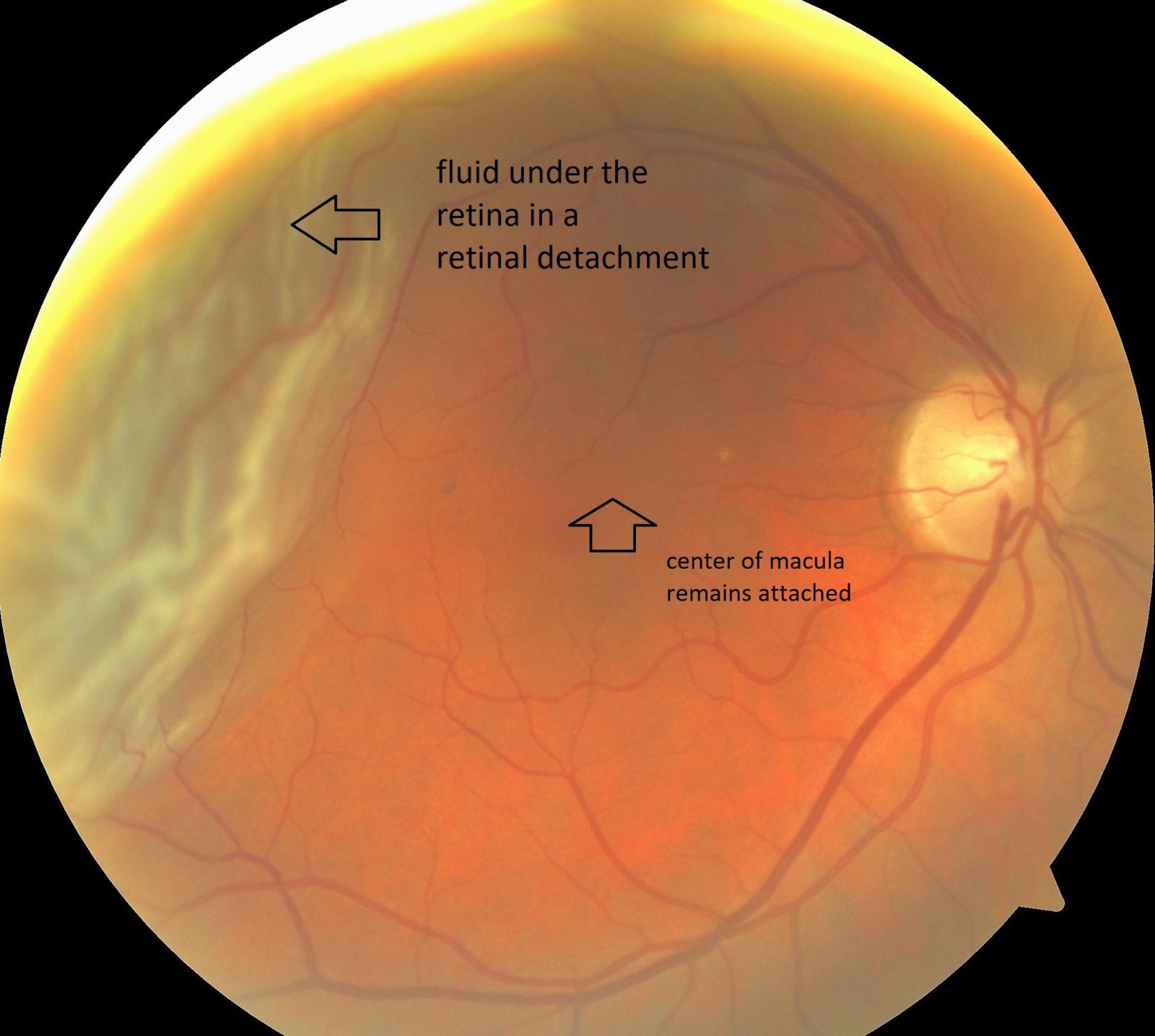

Retinal detachment is a serious medical condition that occurs when the retina, the light-sensitive layer of tissue at the back of the eye, separates from its underlying support tissue. This condition can lead to permanent vision loss if not treated promptly. Understanding the various retinal detachment causes is crucial for early detection and effective management. This blog post delves into the different factors that contribute to retinal detachment, its symptoms, diagnosis, and treatment options.
Understanding the Retina
The retina is a thin layer of tissue located at the back of the eye. It contains millions of light-sensitive cells called rods and cones, which convert light into electrical signals. These signals are then sent to the brain via the optic nerve, allowing us to see. The retina is essential for clear vision, and any disruption to its structure can lead to significant visual impairment.
Common Retinal Detachment Causes
Retinal detachment can be caused by a variety of factors, including age-related changes, trauma, and underlying medical conditions. Here are some of the most common retinal detachment causes:
Age-Related Changes
As we age, the vitreous, a gel-like substance that fills the eye, can shrink and pull away from the retina. This process, known as posterior vitreous detachment, is a normal part of aging but can sometimes lead to retinal tears or detachment. People over the age of 50 are at a higher risk of experiencing this condition.
Trauma
Physical injury to the eye, such as a blow to the head or a penetrating injury, can cause retinal detachment. Trauma can lead to the formation of retinal tears or holes, which allow fluid to accumulate behind the retina, causing it to detach.
Underlying Medical Conditions
Certain medical conditions can increase the risk of retinal detachment. These include:
- Myopia (Nearsightedness): People with severe nearsightedness have elongated eyeballs, which can put extra tension on the retina and increase the risk of detachment.
- Diabetic Retinopathy: High blood sugar levels can damage the blood vessels in the retina, leading to swelling and detachment.
- Retinal Tears or Holes: These can occur due to various reasons, including age-related changes, trauma, or underlying medical conditions. Fluid can seep through these tears or holes, causing the retina to detach.
- Family History: A family history of retinal detachment can increase the risk of developing the condition.
Other Factors
Other factors that can contribute to retinal detachment include:
- Previous Eye Surgery: Certain eye surgeries, such as cataract surgery, can increase the risk of retinal detachment.
- Inflammatory Conditions: Conditions like uveitis, which cause inflammation in the eye, can lead to retinal detachment.
- Tumors: Rarely, tumors in the eye can cause retinal detachment.
Symptoms of Retinal Detachment
Recognizing the symptoms of retinal detachment is crucial for early intervention. Common symptoms include:
- Flashes of Light: These can appear suddenly and may be accompanied by a sensation of seeing stars or sparkles.
- Floaters: Small spots or threads that drift across your field of vision.
- Shadows or Curtain-Like Vision Loss: A dark shadow or curtain that seems to cover part of your visual field.
- Blurred Vision: A sudden decrease in visual clarity.
If you experience any of these symptoms, it is essential to seek immediate medical attention. Early detection and treatment can significantly improve the chances of preserving your vision.
Diagnosis of Retinal Detachment
Diagnosing retinal detachment involves a comprehensive eye examination. The process typically includes:
- Dilated Eye Exam: The doctor will use eye drops to dilate your pupils, allowing for a detailed examination of the retina.
- Ophthalmoscopy: A special instrument called an ophthalmoscope is used to examine the retina and optic nerve.
- Ultrasound: In some cases, an ultrasound may be performed to get a clearer view of the retina, especially if the vitreous is cloudy.
These diagnostic tools help the ophthalmologist determine the extent and type of retinal detachment, which is crucial for planning the appropriate treatment.
Treatment Options for Retinal Detachment
The treatment for retinal detachment depends on the severity and type of detachment. Common treatment options include:
Laser Surgery
Laser surgery, also known as photocoagulation, is often used to treat small retinal tears or holes. The laser creates small burns around the tear, sealing it and preventing fluid from entering the retina.
Cryopexy
Cryopexy involves freezing the area around the retinal tear using a probe. This creates a scar that seals the tear and prevents further detachment.
Scleral Buckle
In this procedure, a flexible band is placed around the eye to gently push the wall of the eye inward, relieving the tension on the retina and allowing it to reattach.
Vitrectomy
Vitrectomy is a more invasive procedure that involves removing the vitreous gel from the eye. This allows the surgeon to access and repair the retinal tear or detachment. The vitreous is then replaced with a gas or silicone oil to help the retina reattach.
📝 Note: The choice of treatment depends on various factors, including the size and location of the detachment, the patient's overall health, and the surgeon's expertise.
Preventing Retinal Detachment
While not all cases of retinal detachment can be prevented, there are steps you can take to reduce your risk:
- Regular Eye Exams: Regular check-ups with an ophthalmologist can help detect early signs of retinal detachment.
- Protect Your Eyes: Wear protective eyewear during activities that pose a risk of eye injury, such as sports or construction work.
- Manage Underlying Conditions: If you have conditions like diabetes or high blood pressure, manage them effectively to reduce the risk of retinal detachment.
Living with Retinal Detachment
Living with retinal detachment can be challenging, but with proper treatment and follow-up care, many people can maintain or improve their vision. It is essential to follow your doctor’s instructions carefully and attend all follow-up appointments. Regular eye exams are crucial for monitoring your eye health and detecting any changes early.
Support from family and friends can also make a significant difference. Joining support groups or online communities can provide valuable information and emotional support.
Retinal detachment is a serious condition that requires prompt medical attention. Understanding the various retinal detachment causes, recognizing the symptoms, and seeking timely treatment can significantly improve the chances of preserving your vision. Regular eye exams and managing underlying medical conditions are essential for preventing retinal detachment and maintaining overall eye health.
Related Terms:
- retinal detachment signs and symptoms
- dangers of detached retina
- how do detached retinas happen
- is a detached retina dangerous
- why does retinal detachment happen
- how serious is detached retina