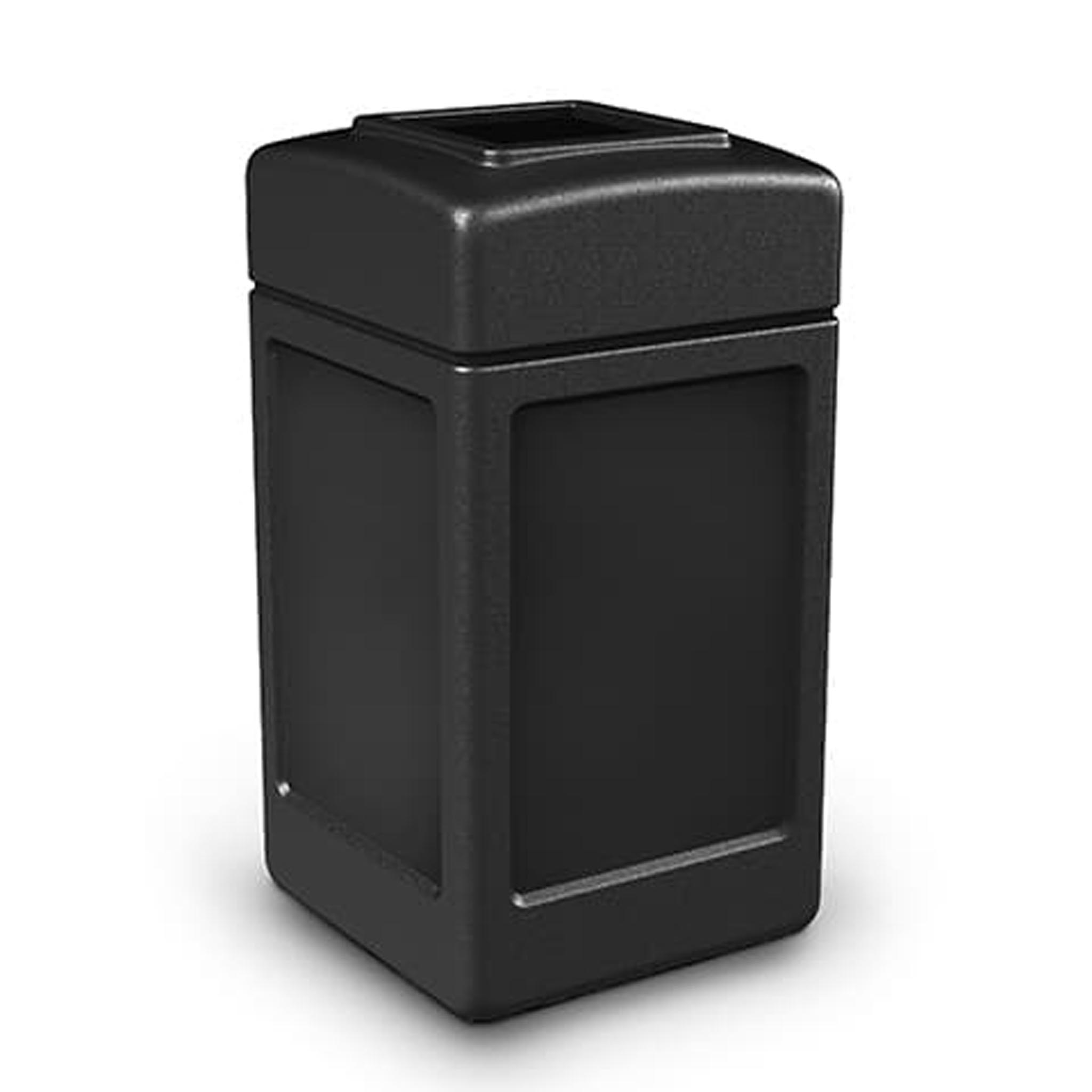

In the realm of waste management, the humble rectangular trash can plays a pivotal role in maintaining cleanliness and organization. Whether in homes, offices, or public spaces, these containers are essential for keeping our environments tidy. This post delves into the various aspects of rectangular trash cans, from their design and functionality to their environmental impact and maintenance tips.
Understanding the Design of Rectangular Trash Cans
The design of a rectangular trash can is more than just aesthetics; it serves practical purposes that enhance usability and efficiency. The rectangular shape offers several advantages:
- Space Efficiency: Rectangular trash cans can fit neatly into corners and along walls, making them ideal for spaces where circular bins might be impractical.
- Stability: The rectangular base provides better stability, reducing the risk of tipping over, especially in high-traffic areas.
- Capacity: Rectangular bins often have a larger capacity compared to their circular counterparts, making them suitable for high-volume waste generation.
Additionally, many rectangular trash cans come with features such as lids, wheels, and compartments, which further enhance their functionality.
Types of Rectangular Trash Cans
Rectangular trash cans come in various types, each designed to meet specific needs. Here are some of the most common types:
- Indoor Trash Cans: These are typically smaller and designed for indoor use. They often come with lids to control odors and are available in various materials like plastic, metal, and stainless steel.
- Outdoor Trash Cans: These are larger and more durable, designed to withstand outdoor elements. They often have wheels for easy movement and lids to keep out pests.
- Commercial Trash Cans: Used in public spaces, offices, and restaurants, these bins are designed for high-volume waste and often come with features like foot pedals for hands-free operation.
- Recycling Trash Cans: These are designed with multiple compartments to separate different types of recyclables, promoting eco-friendly waste management.
Materials Used in Rectangular Trash Cans
The material of a rectangular trash can significantly impacts its durability, aesthetics, and functionality. Common materials include:
- Plastic: Lightweight, affordable, and available in various colors, plastic trash cans are popular for indoor use. However, they may not be as durable as other materials.
- Metal: Metal trash cans, often made of stainless steel or aluminum, are durable and resistant to rust. They are suitable for both indoor and outdoor use but can be more expensive.
- Stainless Steel: Known for its durability and resistance to corrosion, stainless steel is a premium choice for both residential and commercial settings. It is easy to clean and maintains a sleek appearance.
- Wood: Wooden trash cans add a rustic or elegant touch to indoor spaces. They are often used in high-end homes and offices but require more maintenance to prevent damage from moisture and pests.
Environmental Impact of Rectangular Trash Cans
The environmental impact of rectangular trash cans is a crucial consideration in today's eco-conscious world. Here are some key points to consider:
- Material Sustainability: Opt for trash cans made from recycled or sustainable materials to reduce environmental impact.
- Recycling Features: Choose bins with compartments for separating recyclables to promote better waste management practices.
- Durability: Investing in durable trash cans reduces the need for frequent replacements, lowering overall waste.
- Eco-Friendly Designs: Some manufacturers offer trash cans made from biodegradable materials or designed for easy recycling at the end of their lifespan.
By making informed choices, consumers can minimize the environmental footprint of their waste management solutions.
Maintenance Tips for Rectangular Trash Cans
Proper maintenance of rectangular trash cans ensures longevity and hygiene. Here are some essential tips:
- Regular Cleaning: Clean the trash can regularly with soap and water to prevent odors and bacterial growth.
- Liner Use: Use trash bags or liners to make cleaning easier and to contain waste effectively.
- Avoid Overfilling: Do not overfill the trash can to prevent spills and maintain hygiene.
- Check for Damage: Regularly inspect the trash can for any signs of damage, such as cracks or rust, and repair or replace as needed.
Following these tips will help keep your rectangular trash can in good condition and ensure it serves its purpose effectively.
💡 Note: For outdoor trash cans, consider using a mild bleach solution to clean and disinfect, especially if they are exposed to harsh weather conditions.
Choosing the Right Rectangular Trash Can
Selecting the right rectangular trash can depends on several factors, including your specific needs, budget, and environmental considerations. Here are some key points to consider:
- Size and Capacity: Determine the amount of waste you generate and choose a bin with an appropriate capacity.
- Material: Consider the durability and aesthetics of the material. Stainless steel and metal are more durable but costlier, while plastic is affordable but less durable.
- Features: Look for features like lids, wheels, and compartments that enhance functionality and convenience.
- Budget: Set a budget and compare options within your price range to find the best value for money.
By carefully considering these factors, you can choose a rectangular trash can that meets your needs and fits your budget.
Innovations in Rectangular Trash Can Design
The design of rectangular trash cans has evolved significantly over the years, incorporating innovative features to enhance usability and sustainability. Some of the latest innovations include:
- Smart Trash Cans: Equipped with sensors and connectivity features, smart trash cans can alert you when they need to be emptied and even monitor waste levels in real-time.
- Eco-Friendly Materials: Manufacturers are increasingly using recycled and biodegradable materials to reduce environmental impact.
- Advanced Compartments: Some modern trash cans feature advanced compartmentalization for better waste sorting and recycling.
- Ergonomic Designs: New designs focus on ergonomics, making it easier to use and maintain the trash can.
These innovations are making rectangular trash cans more efficient, user-friendly, and environmentally sustainable.
Case Studies: Rectangular Trash Cans in Action
To understand the practical applications of rectangular trash cans, let's look at a few case studies:
- Office Settings: Many offices use rectangular trash cans with multiple compartments to separate recyclables from general waste. This promotes a cleaner workspace and supports recycling initiatives.
- Public Spaces: Parks and public areas often use large, durable rectangular trash cans with lids to keep the environment clean and prevent littering.
- Residential Use: Homes benefit from rectangular trash cans that fit neatly into kitchens and bathrooms, providing a convenient and hygienic solution for waste management.
These case studies illustrate the versatility and effectiveness of rectangular trash cans in various settings.
Comparing Rectangular Trash Cans to Other Shapes
While rectangular trash cans offer numerous benefits, it's essential to compare them with other shapes to understand their advantages and limitations. Here's a comparison:
| Shape | Advantages | Disadvantages |
|---|---|---|
| Rectangular | Space-efficient, stable, larger capacity | Can be less aesthetically pleasing in some settings |
| Circular | Aesthetically pleasing, easy to roll | Less stable, smaller capacity |
| Square | Stable, space-efficient | Less capacity compared to rectangular bins |
Each shape has its unique advantages and disadvantages, making the choice dependent on specific needs and preferences.
💡 Note: For high-traffic areas, rectangular trash cans are often preferred due to their stability and larger capacity.
Future Trends in Rectangular Trash Can Design
The future of rectangular trash can design is poised for exciting developments. Some emerging trends include:
- Sustainable Materials: Increased use of eco-friendly and recycled materials to reduce environmental impact.
- Smart Technology: Integration of smart features like sensors, connectivity, and automated waste management systems.
- Customizable Designs: Options for customization to fit specific needs and preferences, such as adjustable compartments and modular designs.
- Enhanced Durability: Use of advanced materials and manufacturing techniques to create more durable and long-lasting trash cans.
These trends will continue to shape the design and functionality of rectangular trash cans, making them more efficient and sustainable.
In conclusion, the rectangular trash can is a versatile and essential tool for waste management in various settings. From its design and functionality to its environmental impact and maintenance, understanding the nuances of rectangular trash cans can help you make informed choices. Whether for home, office, or public use, these bins play a crucial role in keeping our environments clean and organized. By considering factors like material, size, and features, you can select a rectangular trash can that meets your specific needs and contributes to a more sustainable future.
Related Terms:
- rectangular trash can 30 gallon
- tall rectangular trash can
- 10 gallon rectangular trash can
- rectangular outdoor trash can
- simplehuman 45l rectangular trash can
- 20 gallon rectangular trash can