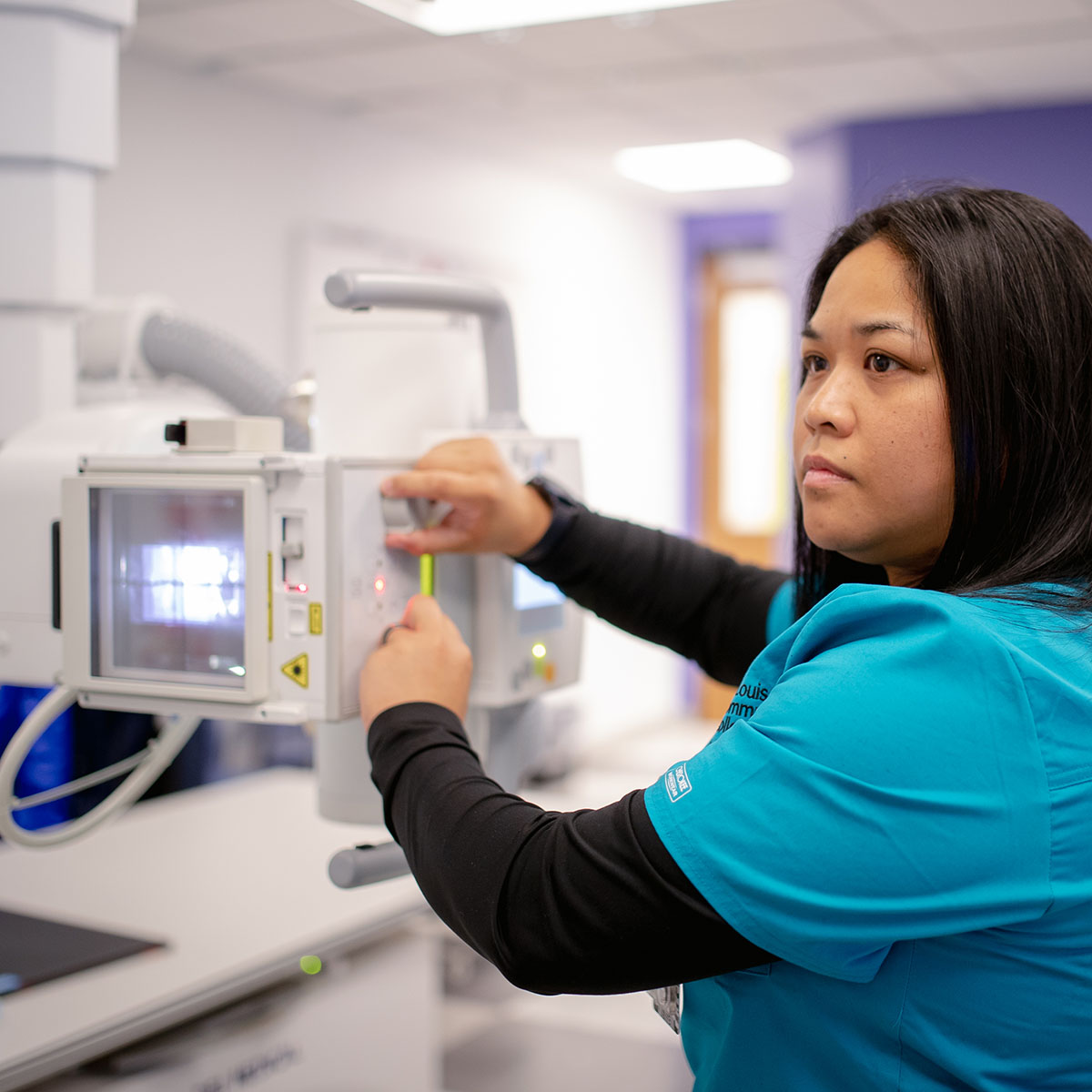

Embarking on a career as a radiology technician can be both rewarding and challenging. A Radiology Technician Program equips you with the necessary skills and knowledge to excel in this vital healthcare role. This program is designed to prepare students for a career in diagnostic imaging, where they will use advanced technology to produce images of the body for diagnostic purposes. Whether you are just starting your educational journey or looking to advance your current skills, understanding the intricacies of a Radiology Technician Program is crucial.
What is a Radiology Technician Program?
A Radiology Technician Program is an educational pathway that trains individuals to operate medical imaging equipment. This program covers a wide range of topics, including anatomy, physiology, patient care, and the operation of various imaging technologies such as X-rays, CT scans, MRI, and ultrasound. The curriculum is designed to ensure that graduates are well-versed in both the technical and interpersonal skills required to excel in the field of radiology.
Curriculum Overview
The curriculum of a Radiology Technician Program is comprehensive and designed to provide a solid foundation in medical imaging. Here is an overview of the typical courses you might encounter:
- Anatomy and Physiology: Understanding the human body is fundamental to radiology. These courses cover the structure and function of various body systems.
- Radiographic Procedures: This includes learning how to perform X-rays, CT scans, MRI, and other imaging procedures. Students learn the technical aspects of operating imaging equipment and ensuring image quality.
- Patient Care: Radiology technicians must be able to interact with patients, often in stressful situations. Courses in patient care focus on communication skills, patient positioning, and safety protocols.
- Radiation Safety: Given the nature of the work, understanding radiation safety is crucial. Students learn about radiation protection, monitoring, and the safe handling of radioactive materials.
- Clinical Rotations: Hands-on experience is a key component of the program. Clinical rotations allow students to apply what they have learned in a real-world setting, working under the supervision of experienced radiology technicians and radiologists.
Admission Requirements
Admission to a Radiology Technician Program typically requires a high school diploma or equivalent. Additionally, some programs may have specific prerequisites, such as courses in biology, chemistry, and mathematics. Prospective students should also be prepared to undergo a background check and provide proof of immunization. Some programs may also require a minimum GPA or standardized test scores.
Program Duration and Format
The duration of a Radiology Technician Program can vary depending on the institution and the level of the program. Typically, an associate degree program takes about two years to complete, while a bachelor’s degree program may take four years. Some programs also offer certificate options that can be completed in a shorter time frame. The format of the program can also vary, with options for full-time, part-time, and online study.
Certification and Licensing
Upon completion of a Radiology Technician Program, graduates must obtain certification and licensing to practice. The American Registry of Radiologic Technologists (ARRT) offers certification exams in various specialties, such as radiography, MRI, and CT. Passing these exams is a requirement for most employers and is essential for career advancement. Additionally, some states may have specific licensing requirements that must be met.
Career Opportunities
Graduates of a Radiology Technician Program have a wide range of career opportunities. They can work in hospitals, clinics, diagnostic imaging centers, and private practices. Some of the roles available to radiology technicians include:
- Radiologic Technologist: Operate imaging equipment to produce diagnostic images.
- MRI Technologist: Specialized in operating magnetic resonance imaging equipment.
- CT Technologist: Specialized in operating computed tomography equipment.
- Ultrasound Technologist: Specialized in operating ultrasound equipment.
- Radiation Therapist: Work with radiation therapy equipment to treat cancer patients.
Salary and Job Outlook
The salary for radiology technicians can vary depending on factors such as location, experience, and specialization. According to the Bureau of Labor Statistics, the median annual wage for radiologic technologists was around $63,000 in recent years. The job outlook for radiology technicians is positive, with a projected growth rate of about 7% over the next decade. This growth is driven by an aging population and advancements in medical technology.
Specializations in Radiology
Within the field of radiology, there are several specializations that students can pursue. These specializations allow radiology technicians to focus on specific areas of medical imaging and can lead to higher salaries and more advanced career opportunities. Some of the most common specializations include:
- Magnetic Resonance Imaging (MRI): MRI technologists operate MRI machines to produce detailed images of the body’s internal structures.
- Computed Tomography (CT): CT technologists operate CT scanners to produce cross-sectional images of the body.
- Mammography: Mammography technologists specialize in breast imaging and are trained to perform mammograms.
- Nuclear Medicine: Nuclear medicine technologists use radioactive substances to produce images of the body’s internal structures and functions.
- Radiation Therapy: Radiation therapists work with oncologists to deliver radiation treatment to cancer patients.
Clinical Experience
Clinical experience is a critical component of a Radiology Technician Program. During clinical rotations, students gain hands-on experience working with patients and operating imaging equipment. This experience is invaluable in preparing students for their future careers. Clinical rotations typically take place in hospitals, clinics, and diagnostic imaging centers, where students work under the supervision of experienced radiology technicians and radiologists.
Technical Skills Required
To succeed in a Radiology Technician Program, students must develop a range of technical skills. These skills include:
- Operating Imaging Equipment: Students must be proficient in using various types of imaging equipment, including X-ray machines, CT scanners, MRI machines, and ultrasound devices.
- Image Quality: Ensuring high-quality images is crucial for accurate diagnosis. Students learn techniques for optimizing image quality and minimizing artifacts.
- Patient Positioning: Proper patient positioning is essential for obtaining clear and accurate images. Students learn how to position patients correctly for various imaging procedures.
- Radiation Safety: Understanding radiation safety protocols is crucial for protecting both patients and healthcare workers. Students learn about radiation protection, monitoring, and safe handling of radioactive materials.
- Technical Troubleshooting: Students must be able to identify and resolve technical issues with imaging equipment. This requires a strong understanding of the equipment’s operation and maintenance.
Soft Skills Required
In addition to technical skills, radiology technicians must also possess a range of soft skills. These skills are essential for interacting with patients and working effectively in a healthcare team. Some of the key soft skills include:
- Communication: Effective communication is crucial for explaining procedures to patients, answering their questions, and working with other healthcare professionals.
- Empathy: Radiology technicians often work with patients who are anxious or in pain. Empathy and compassion are essential for providing comfort and support.
- Attention to Detail: Precision is crucial in radiology. Technicians must be detail-oriented to ensure accurate imaging and patient safety.
- Problem-Solving: Radiology technicians must be able to think critically and solve problems quickly, especially in emergency situations.
- Teamwork: Working effectively in a healthcare team requires strong interpersonal skills and the ability to collaborate with others.
Continuing Education and Professional Development
Continuing education is essential for radiology technicians to stay current with the latest advancements in medical imaging technology. Many Radiology Technician Programs offer opportunities for continuing education, including workshops, seminars, and online courses. Additionally, professional organizations such as the American Society of Radiologic Technologists (ASRT) provide resources and networking opportunities for radiology technicians.
Challenges and Rewards
Working as a radiology technician can be both challenging and rewarding. Some of the challenges include:
- Physical Demands: Radiology technicians may need to lift or move patients, which can be physically demanding.
- Exposure to Radiation: While safety protocols are in place, there is still a risk of exposure to radiation.
- Emotional Stress: Working with patients who are ill or injured can be emotionally taxing.
Despite these challenges, the rewards of working as a radiology technician are significant. Radiology technicians play a crucial role in diagnosing and treating medical conditions, and their work can have a direct impact on patient outcomes. The sense of fulfillment that comes from helping others is a major reward for many radiology technicians.
Technological Advancements in Radiology
The field of radiology is constantly evolving, with new technologies and techniques being developed to improve diagnostic accuracy and patient care. Some of the latest advancements in radiology include:
- 3D Imaging: 3D imaging techniques, such as 3D mammography and 3D CT, provide more detailed and accurate images of the body’s internal structures.
- Artificial Intelligence (AI): AI is being used to analyze medical images and assist in the diagnosis of various conditions. AI algorithms can detect patterns and anomalies that may be missed by the human eye.
- Molecular Imaging: Molecular imaging techniques, such as positron emission tomography (PET), allow for the visualization of molecular processes within the body. This can be useful in the early detection and treatment of diseases such as cancer.
- Interventional Radiology: Interventional radiology involves the use of imaging guidance to perform minimally invasive procedures. This can reduce the need for surgery and improve patient outcomes.
Ethical Considerations in Radiology
Radiology technicians must adhere to strict ethical standards to ensure the safety and well-being of their patients. Some of the key ethical considerations in radiology include:
- Informed Consent: Patients must be fully informed about the risks and benefits of imaging procedures before giving their consent.
- Confidentiality: Patient information must be kept confidential to protect their privacy and maintain trust.
- Radiation Safety: Radiology technicians must follow strict protocols to minimize radiation exposure to patients and healthcare workers.
- Professional Conduct: Radiology technicians must maintain high standards of professional conduct, including honesty, integrity, and respect for patients and colleagues.
Patient Safety in Radiology
Patient safety is a top priority in radiology. Radiology technicians must be trained to recognize and mitigate potential risks associated with imaging procedures. Some of the key aspects of patient safety in radiology include:
- Radiation Protection: Radiology technicians must follow strict protocols to minimize radiation exposure to patients and healthcare workers. This includes using lead aprons, thyroid shields, and other protective equipment.
- Patient Positioning: Proper patient positioning is essential for obtaining clear and accurate images. Radiology technicians must be trained to position patients correctly for various imaging procedures.
- Equipment Maintenance: Regular maintenance and calibration of imaging equipment are crucial for ensuring accurate and reliable images. Radiology technicians must be trained to perform routine maintenance and troubleshooting.
- Emergency Protocols: Radiology technicians must be prepared to handle emergency situations, such as allergic reactions to contrast media or equipment malfunctions. They must be trained in basic life support and emergency procedures.
Future Trends in Radiology
The future of radiology is bright, with many exciting developments on the horizon. Some of the trends that are expected to shape the field in the coming years include:
- Telemedicine: Telemedicine is becoming increasingly popular, allowing radiology technicians to consult with specialists remotely and provide more efficient care.
- Personalized Medicine: Personalized medicine involves tailoring medical treatments to the individual characteristics of each patient. Radiology plays a key role in this approach, providing detailed images that can guide treatment decisions.
- Advanced Imaging Techniques: New imaging techniques, such as functional MRI and molecular imaging, are being developed to provide more detailed and accurate images of the body’s internal structures and functions.
- Integration of AI and Machine Learning: AI and machine learning are being used to analyze medical images and assist in the diagnosis of various conditions. These technologies have the potential to revolutionize the field of radiology.
Certification and Licensing Requirements
To practice as a radiology technician, you must obtain the necessary certifications and licenses. The requirements can vary depending on the state and the specific type of radiology you wish to practice. Here is an overview of the typical certification and licensing requirements:
| Certification | Requirements | Issuing Organization |
|---|---|---|
| Radiologic Technologist | Completion of an accredited radiologic technology program, passing the ARRT certification exam | American Registry of Radiologic Technologists (ARRT) |
| MRI Technologist | Completion of an accredited MRI program, passing the ARRT certification exam | American Registry of Radiologic Technologists (ARRT) |
| CT Technologist | Completion of an accredited CT program, passing the ARRT certification exam | American Registry of Radiologic Technologists (ARRT) |
| Ultrasound Technologist | Completion of an accredited ultrasound program, passing the ARDMS certification exam | American Registry for Diagnostic Medical Sonography (ARDMS) |
| Radiation Therapist | Completion of an accredited radiation therapy program, passing the ARRT certification exam | American Registry of Radiologic Technologists (ARRT) |
📝 Note: Requirements may vary by state, so it is important to check with your state's licensing board for specific details.
Career Advancement Opportunities
There are numerous opportunities for career advancement in the field of radiology. Radiology technicians can pursue advanced degrees, specializations, and certifications to enhance their skills and qualifications. Some of the career advancement opportunities include:
- Advanced Certifications: Obtaining advanced certifications in specialties such as MRI, CT, or mammography can lead to higher salaries and more advanced roles.
- Advanced Degrees: Pursuing a bachelor’s or master’s degree in radiologic science or a related field can open up opportunities for leadership and management roles.
- Specializations: Specializing in a particular area of radiology, such as interventional radiology or nuclear medicine, can lead to more specialized and rewarding career opportunities.
- Leadership Roles: With experience, radiology technicians can advance to leadership roles, such as department manager or director of radiology services.
- Research and Development: Radiology technicians can also pursue careers in research and development, working to advance the field of medical imaging and develop new technologies.
Work Environment
The work environment for radiology technicians can vary depending on the setting. Radiology technicians may work in hospitals, clinics, diagnostic imaging centers, or private practices. The work environment can be fast-paced and demanding, with long hours and the need to work on weekends and holidays. However, the work can also be rewarding, with the opportunity to make a significant impact on patient care.
Job Satisfaction and Work-Life Balance
Job satisfaction and work-life balance are important considerations for radiology technicians. The field of radiology can be demanding, with long hours and the need to work on weekends and holidays. However, many radiology technicians find the work to be rewarding, with the opportunity to make a significant impact on patient care. To maintain a healthy work-life balance, radiology technicians should prioritize self-care, seek support from colleagues and mentors, and take advantage of opportunities for professional development and continuing education.
Professional Organizations and Resources
There are several professional organizations and resources available to radiology technicians. These organizations provide opportunities for networking, continuing education, and professional development. Some of the key professional organizations and resources include:
- American Society of Radiologic Technologists (ASRT): The ASRT is a professional organization that provides resources and support for radiology technicians, including continuing education, networking opportunities, and advocacy for the profession.
- American Registry of Radiologic Technologists (ARRT): The ARRT is the primary certifying organization for radiology technicians, offering certification exams and continuing education opportunities.
- Society of Diagnostic Medical Sonography (SDMS): The SDMS is a professional organization for ultrasound technologists, providing resources and support for continuing education and professional development.
- American College of Radiology (ACR): The ACR is a professional organization for radiologists, providing resources and support for continuing education, research, and advocacy for the profession.
Financial Aid and Scholarships
Pursuing a Radiology Technician Program can be a significant financial investment. However, there are several financial aid and scholarship opportunities available to help offset the cost. Some of the key financial aid and scholarship opportunities include:
- Federal Financial Aid: Students may be eligible for federal financial aid, including grants, loans, and work-study programs. To apply, students must complete the Free Application for Federal Student Aid (FAFSA).
- State Financial Aid: Some states offer financial aid programs for students pursuing healthcare degrees. Students should check with their state’s department of education for more information.
- Scholarships: There are numerous scholarships available for students pursuing
Related Terms:
- radiology programs near me
- online accredited radiology technician programs
- radiologic programs near me
- radiology technician program length
- associates radiology programs near me
- radiology technician program online