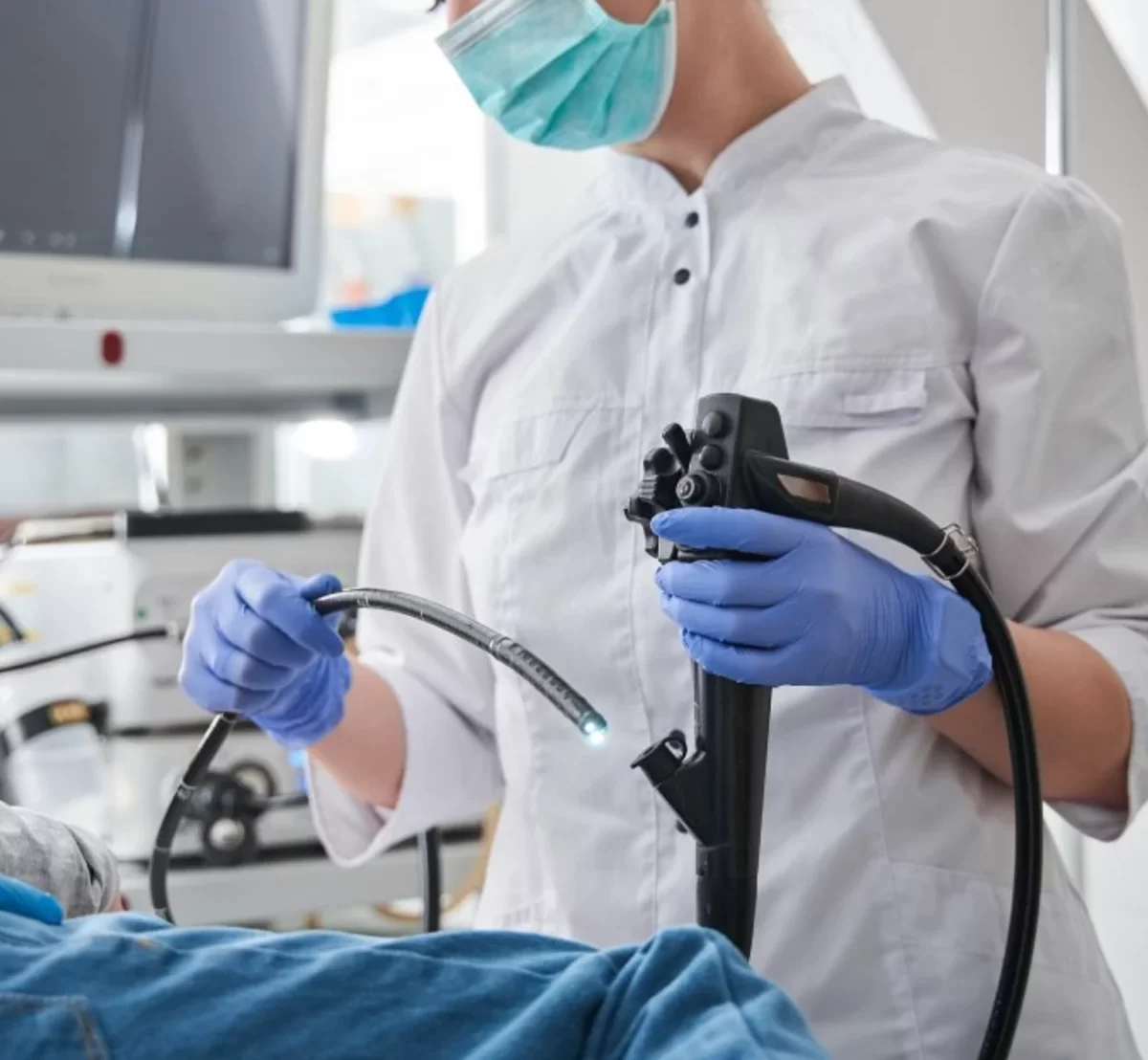

Endoscopy is a medical procedure that allows doctors to view the interior of the body using a flexible tube with a light and camera attached. This minimally invasive technique is widely used for diagnostic and therapeutic purposes. Understanding what endoscopy is and its various applications can provide valuable insights into modern medical practices. This blog post will delve into the details of endoscopy, its types, procedures, benefits, and more.
What is Endoscopy?
Endoscopy, or Que Es Endoscopia in Spanish, refers to the use of an endoscope—a thin, flexible tube with a light and camera—to examine the inside of the body. The endoscope is inserted through natural openings such as the mouth or anus, or through small incisions in the skin. This procedure enables doctors to visualize internal organs and tissues, diagnose conditions, and perform certain treatments.
Types of Endoscopy
There are several types of endoscopy, each designed to examine different parts of the body. Some of the most common types include:
- Gastrointestinal Endoscopy: This includes procedures like esophagogastroduodenoscopy (EGD) and colonoscopy, which examine the esophagus, stomach, and intestines.
- Bronchoscopy: Used to examine the airways and lungs.
- Arthroscopy: Focuses on the joints, particularly the knees, shoulders, and elbows.
- Laparoscopy: Involves examining the abdominal cavity and pelvic organs.
- Cystoscopy: Used to examine the bladder and urethra.
Common Endoscopic Procedures
Endoscopic procedures are performed for a variety of diagnostic and therapeutic purposes. Here are some of the most common procedures:
Esophagogastroduodenoscopy (EGD)
EGD is used to examine the esophagus, stomach, and the first part of the small intestine (duodenum). This procedure can help diagnose conditions such as:
- Gastroesophageal reflux disease (GERD)
- Ulcers
- Inflammation
- Cancer
During an EGD, the endoscope is inserted through the mouth and guided down the throat. The doctor can take biopsies, remove polyps, or perform other therapeutic interventions as needed.
Colonoscopy
A colonoscopy is used to examine the colon and rectum. This procedure is crucial for detecting and preventing colon cancer. During a colonoscopy, the endoscope is inserted through the anus and guided through the colon. The doctor can remove polyps, take biopsies, and treat conditions such as:
- Inflammatory bowel disease (IBD)
- Diverticular disease
- Colon cancer
Bronchoscopy
Bronchoscopy is used to examine the airways and lungs. This procedure can help diagnose conditions such as:
- Lung cancer
- Infections
- Chronic obstructive pulmonary disease (COPD)
During a bronchoscopy, the endoscope is inserted through the mouth or nose and guided down the trachea into the lungs. The doctor can take biopsies, remove foreign objects, or perform other therapeutic interventions.
Arthroscopy
Arthroscopy is used to examine the joints, particularly the knees, shoulders, and elbows. This procedure can help diagnose and treat conditions such as:
- Joint injuries
- Arthritis
- Inflammation
During an arthroscopy, the endoscope is inserted through small incisions in the skin and guided into the joint. The doctor can repair torn ligaments, remove damaged cartilage, or perform other therapeutic interventions.
Laparoscopy
Laparoscopy is used to examine the abdominal cavity and pelvic organs. This procedure can help diagnose and treat conditions such as:
- Appendicitis
- Gallbladder disease
- Endometriosis
- Fibroids
During a laparoscopy, the endoscope is inserted through small incisions in the abdomen. The doctor can remove the appendix, gallbladder, or other organs, or perform other therapeutic interventions.
Cystoscopy
A cystoscopy is used to examine the bladder and urethra. This procedure can help diagnose and treat conditions such as:
- Bladder cancer
- Urinary tract infections
- Bladder stones
During a cystoscopy, the endoscope is inserted through the urethra and guided into the bladder. The doctor can take biopsies, remove stones, or perform other therapeutic interventions.
Benefits of Endoscopy
Endoscopy offers numerous benefits, making it a preferred method for diagnosing and treating various conditions. Some of the key benefits include:
- Minimally Invasive: Endoscopy is less invasive than traditional surgical procedures, resulting in smaller incisions, less pain, and faster recovery times.
- Accurate Diagnosis: The use of a camera allows doctors to visualize internal organs and tissues in real-time, providing accurate diagnoses.
- Therapeutic Interventions: Endoscopy enables doctors to perform various therapeutic interventions, such as removing polyps, taking biopsies, and repairing damaged tissues.
- Reduced Risk of Complications: Due to its minimally invasive nature, endoscopy carries a lower risk of complications compared to traditional surgery.
- Outpatient Procedure: Many endoscopic procedures can be performed on an outpatient basis, allowing patients to return home the same day.
Preparing for an Endoscopic Procedure
Preparing for an endoscopic procedure involves several steps to ensure a smooth and safe experience. Here are some general guidelines:
- Consultation: Schedule a consultation with your doctor to discuss the procedure, its risks, and benefits.
- Medical History: Provide a complete medical history, including any medications you are taking, allergies, and previous surgeries.
- Pre-Procedure Instructions: Follow any pre-procedure instructions provided by your doctor, such as fasting, stopping certain medications, or adjusting your diet.
- Arrange Transportation: Arrange for someone to drive you home after the procedure, as you may be sedated.
What to Expect During an Endoscopic Procedure
The experience of an endoscopic procedure can vary depending on the type of endoscopy being performed. However, there are some general steps that are common to most procedures:
- Preparation: You will be asked to change into a hospital gown and lie on an examination table.
- Sedation: Depending on the procedure, you may receive sedation to help you relax and reduce discomfort.
- Insertion of the Endoscope: The endoscope is inserted through the natural opening or small incision and guided to the area of interest.
- Visualization: The doctor uses the camera on the endoscope to visualize the internal organs and tissues.
- Biopsies and Interventions: If necessary, the doctor can take biopsies, remove polyps, or perform other therapeutic interventions.
- Completion: Once the procedure is complete, the endoscope is removed, and you will be monitored for a short period before being discharged.
📝 Note: The specific steps and duration of the procedure may vary depending on the type of endoscopy and the individual's health condition.
Risks and Complications
While endoscopy is generally safe, there are some risks and potential complications to be aware of. These can include:
- Bleeding: Minor bleeding may occur, especially if biopsies or polyps are removed.
- Infection: There is a small risk of infection, although this is rare with proper sterilization techniques.
- Perforation: In rare cases, the endoscope may cause a perforation in the organ being examined.
- Reactions to Sedation: Some patients may experience reactions to the sedation used during the procedure.
It is important to discuss these risks with your doctor before undergoing an endoscopic procedure. Your doctor can provide personalized information based on your medical history and the specific procedure being performed.
Post-Procedure Care
After an endoscopic procedure, it is important to follow your doctor’s instructions for post-procedure care. Here are some general guidelines:
- Rest: Take it easy for the rest of the day and avoid strenuous activities.
- Hydration: Drink plenty of fluids to stay hydrated.
- Diet: Follow any dietary instructions provided by your doctor, such as avoiding certain foods or drinks.
- Medications: Take any prescribed medications as directed.
- Follow-Up: Attend any follow-up appointments scheduled by your doctor to discuss the results of the procedure and any further treatment plans.
📝 Note: If you experience severe pain, fever, or other concerning symptoms after the procedure, contact your doctor immediately.
Endoscopy vs. Other Diagnostic Methods
Endoscopy is just one of several diagnostic methods used in medicine. Here is a comparison of endoscopy with other common diagnostic methods:
| Method | Description | Advantages | Disadvantages |
|---|---|---|---|
| Endoscopy | Use of a flexible tube with a light and camera to examine internal organs. | Minimally invasive, accurate visualization, therapeutic interventions possible. | Requires sedation, small risk of complications. |
| X-Ray | Use of electromagnetic radiation to produce images of the body's internal structures. | Non-invasive, quick, widely available. | Limited detail, exposure to radiation. |
| CT Scan | Use of computer-processed X-rays to produce detailed images of the body. | High detail, can detect small abnormalities. | Exposure to radiation, more expensive. |
| MRI | Use of magnetic fields and radio waves to produce detailed images of the body. | High detail, no radiation exposure. | More expensive, longer procedure time. |
| Ultrasound | Use of high-frequency sound waves to produce images of the body's internal structures. | Non-invasive, no radiation exposure, real-time imaging. | Limited detail, operator-dependent. |
Each diagnostic method has its own advantages and disadvantages, and the choice of method depends on the specific condition being investigated and the patient's individual needs.
Future of Endoscopy
The field of endoscopy is continually evolving, with advancements in technology and techniques improving diagnostic and therapeutic capabilities. Some of the exciting developments in endoscopy include:
- High-Definition Imaging: The use of high-definition cameras and advanced imaging techniques provides clearer and more detailed views of internal organs and tissues.
- Robotic Endoscopy: Robotic systems are being developed to enhance precision and control during endoscopic procedures, reducing the risk of complications.
- Virtual Reality (VR) and Augmented Reality (AR): VR and AR technologies are being integrated into endoscopy to provide immersive training experiences for medical professionals and enhance patient education.
- Artificial Intelligence (AI): AI algorithms are being used to analyze endoscopic images and assist in the detection of abnormalities, improving diagnostic accuracy.
These advancements are expected to further enhance the effectiveness and safety of endoscopic procedures, making them an even more valuable tool in modern medicine.
Endoscopy is a versatile and essential tool in modern medicine, offering numerous benefits for both diagnostic and therapeutic purposes. Understanding what endoscopy is, its various types, procedures, benefits, and future developments can provide valuable insights into this important medical technique. Whether you are a patient considering an endoscopic procedure or a healthcare professional seeking to expand your knowledge, this overview of endoscopy offers a comprehensive look at this vital medical practice.
Related Terms:
- preparacion para endoscopia
- para que es una endoscopia
- tipos de endoscopia
- como es una endoscopia
- que es una endoscopia digestiva
- endoscopia significado