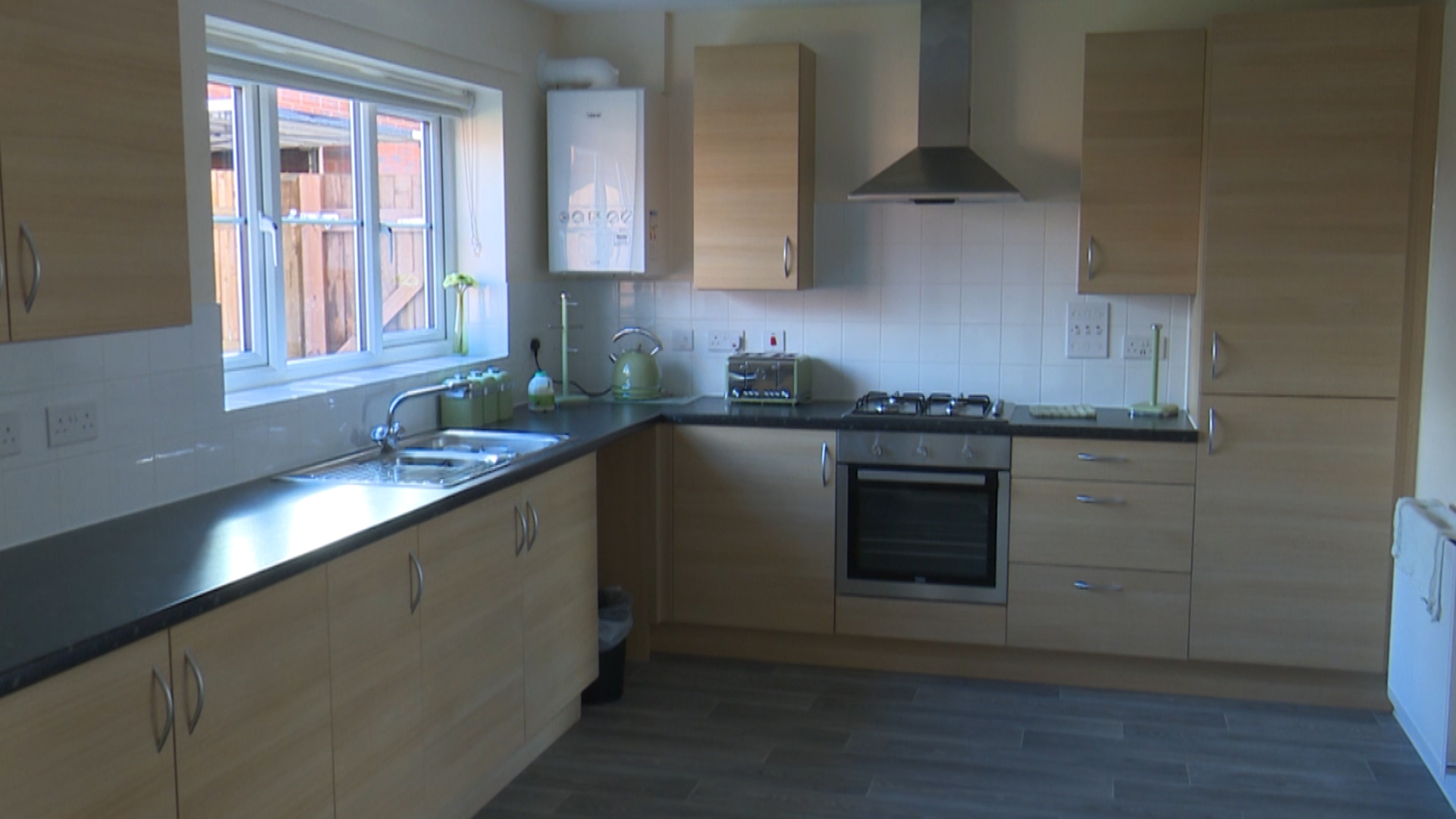

Navigating military accommodation in New York presents a unique set of challenges and opportunities for service members, their families, and defense personnel relocating to one of America’s most dynamic urban centers. The demand for reliable, secure, and family-friendly housing near military installations has grown significantly, driven by frequent deployments, extended tours, and the need for seamless integration into civilian life. Military Accommodation New York refers to the specialized housing solutions provided by the Department of Defense and partner agencies to support active-duty personnel, reservists, and their dependents. These accommodations range from temporary barracks-style units to private apartments within military housing communities, all designed to meet strict security standards while offering comfort and convenience. Whether stationed at Fort Totten, Joint Base Lewis-McChord, or near the Pentagon’s extended perimeter, understanding the options, application processes, and logistical considerations is essential for anyone seeking stable living arrangements in the city’s military zones.
Understanding Military Housing Options in New York
The landscape of Military Accommodation New York reflects a blend of traditional military housing and modern civilian-style residences, tailored to the diverse needs of service members. Key types include:
- Barracks Units: Standard, shared living spaces offering affordability and proximity to bases, ideal for single personnel or small families.
- Family Apartments: Private or semi-private units with kitchenettes, designed for longer stays and greater privacy.
- Senior Housing: Specialized complexes catering to retired military officers and their spouses, often located near major installations.
- Transition Assistance Programs (TAP) Housing: Temporary or permanent units provided during base realignments or relocations, helping ease transitions.
Each option balances cost, location, and amenities, with availability fluctuating based on base population changes and regional demand.
| Accommodation Type | Typical Tenure | Key Features | Best For |
|---|---|---|---|
| Barracks Units | Short-term to 1–3 years | Shared rooms, basic utilities, proximity to base | Newly enlisted, single service members |
| Family Apartments | 1–5 years | Private bathrooms, kitchen access, community spaces | Families with children, dual-mission couples |
| Senior Housing | Long-term (5+ years) | Lower rents, accessible design, retirement support | Retired officers, downsizing veterans |
| TAP Transition Housing | Variable, project-based | Flexible leases, transitional support services | Personnel undergoing base moves or reassignments |
| Barracks Units | Short-term to 1–3 years | Shared rooms, basic utilities, proximity to base | Newly enlisted, single service members |
| Family Apartments | 1–5 years | Private bathrooms, kitchen access, community spaces | Families with children, dual-mission couples |
| Senior Housing | Long-term (5+ years) | Lower rents, accessible design, retirement support | Retired officers, downsizing veterans |
| TAP Transition Housing | Variable, project-based | Flexible leases, transitional support services | Personnel undergoing base moves or reassignments |
Selecting the right military accommodation in New York requires careful evaluation of location, lifestyle preferences, and long-term goals. Proximity to military installations such as Fort Totten in Queens, Fort Meade satellite offices, or the Long Island Sound naval zones influences commute times and daily routines. Families often prioritize schools, parks, and childcare access, while single service members may focus on affordability and social integration. Many bases offer online portals for housing applications, allowing candidates to review unit availability, submit documentation, and track selection timelines—critical steps in securing a spot before waitlists fill up.
Note: Military housing waitlists can be lengthy; early registration and flexible deployment schedules improve chances of securing preferred units.
Security remains a top priority across all Military Accommodation New York facilities. Every residence undergoes rigorous screening, including background checks and drug testing, ensuring a safe environment for service members and their families. Residents benefit from controlled access systems, 24/7 surveillance, and direct coordination with base security personnel. This layered protection supports mission readiness by minimizing external stressors and fostering a stable home base amid demanding deployments.
Financial considerations also shape housing choices. While many units offer subsidized rates compared to market prices, additional costs may apply for utilities, parking, or pet fees. Service members should review total cost of ownership, including relocation allowances and housing allowances (BAH), to make informed decisions aligned with personal budgets. Transparent communication with housing offices helps clarify what is included and what requires personal responsibility.
Family integration is enhanced through community resources embedded within military housing developments. On-site recreation centers, youth programs, and spouse employment networks create supportive ecosystems that ease cultural and logistical adjustments. Access to grocery stores, medical clinics, and public transit further reduces isolation, making daily life more manageable for those new to New York’s fast-paced environment.
Ultimately, Military Accommodation New York serves as more than just shelter—it is a strategic foundation supporting military readiness, family stability, and long-term career success. By understanding the available options, application pathways, and essential lifestyle factors, service members and families can confidently navigate the transition to life in one of America’s most vital urban military hubs. With thoughtful planning and proactive engagement, relocating to New York becomes not just feasible, but empowering.