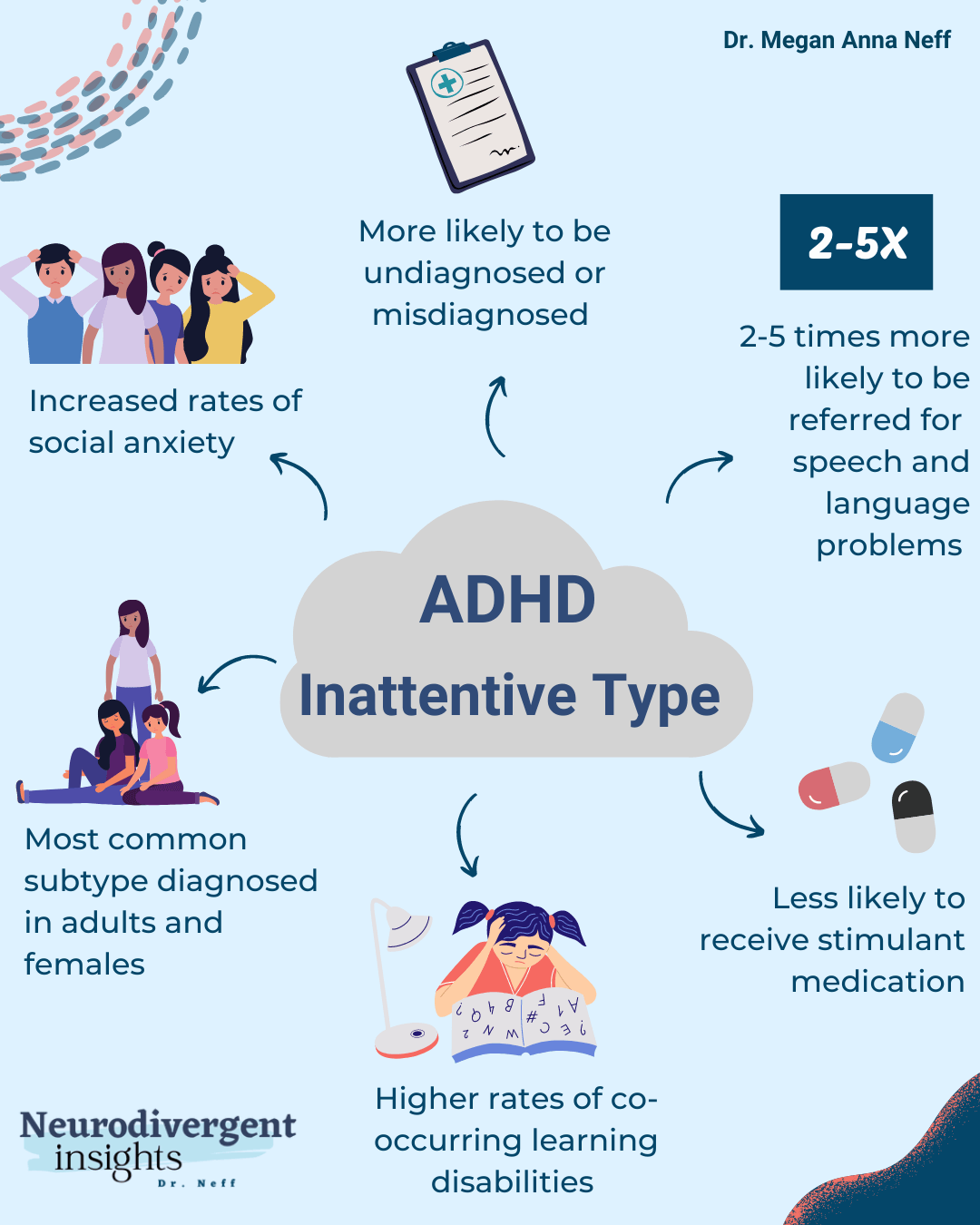

Understanding and managing High Functioning ADHD can be a complex journey, but with the right strategies and support, individuals can thrive in various aspects of life. This blog post delves into the intricacies of High Functioning ADHD, providing insights, practical tips, and resources to help those affected navigate their daily challenges effectively.
Understanding High Functioning ADHD
High Functioning ADHD is a term often used to describe individuals who have Attention Deficit Hyperactivity Disorder (ADHD) but do not exhibit severe symptoms that significantly impair their daily functioning. These individuals may appear to be highly successful in their personal and professional lives, but they still face unique challenges that can affect their quality of life.
ADHD is a neurodevelopmental disorder characterized by persistent patterns of inattention and/or hyperactivity and impulsivity that interfere with functioning or development. High Functioning ADHD, while less severe, can still present difficulties in areas such as:
- Time management
- Organization
- Focus and concentration
- Emotional regulation
- Executive functioning
It is important to note that the term "High Functioning" can be misleading, as it may imply that the individual does not struggle with significant issues. In reality, those with High Functioning ADHD often face internal battles that are not visible to others.
Diagnosing High Functioning ADHD
Diagnosing High Functioning ADHD can be challenging due to the subtle nature of the symptoms. A comprehensive evaluation typically involves:
- Clinical interviews with the individual and, if possible, family members or close friends
- Behavioral assessments
- Psychological testing
- Review of medical history
Diagnostic criteria for ADHD, as outlined in the Diagnostic and Statistical Manual of Mental Disorders (DSM-5), include:
- Inattention: Six or more symptoms of inattention for children or five or more for adolescents and adults
- Hyperactivity and impulsivity: Six or more symptoms of hyperactivity and impulsivity for children or five or more for adolescents and adults
- Symptoms present in two or more settings (e.g., at home, school, or work)
- Clear evidence that the symptoms interfere with, or reduce the quality of, social, academic, or occupational functioning
- Symptoms present before age 12
For individuals with High Functioning ADHD, the symptoms may not be as pronounced, but they can still cause significant distress and impairment.
Managing High Functioning ADHD
Managing High Functioning ADHD involves a multifaceted approach that includes therapy, medication, lifestyle changes, and support systems. Here are some strategies that can help:
Therapy and Counseling
Cognitive Behavioral Therapy (CBT) is particularly effective for individuals with High Functioning ADHD. CBT helps individuals develop coping mechanisms and strategies to manage their symptoms. Other therapeutic approaches include:
- Dialectical Behavior Therapy (DBT)
- Mindfulness-based therapies
- Support groups
Medication
Medication can be a crucial component of managing ADHD symptoms. Common medications include:
- Stimulants: such as methylphenidate (Ritalin) and amphetamine (Adderall)
- Non-stimulants: such as atomoxetine (Strattera) and guanfacine (Intuniv)
It is essential to work closely with a healthcare provider to determine the most appropriate medication and dosage.
Lifestyle Changes
Lifestyle changes can significantly improve the quality of life for individuals with High Functioning ADHD. Some key areas to focus on include:
- Sleep Hygiene: Establishing a consistent sleep schedule and creating a relaxing bedtime routine
- Exercise: Regular physical activity can help reduce symptoms of ADHD
- Diet: A balanced diet rich in nutrients can support overall brain health
- Stress Management: Techniques such as meditation, yoga, and deep breathing exercises can help manage stress
Support Systems
Building a strong support system is crucial for individuals with High Functioning ADHD. This can include:
- Family and friends who understand and support the individual
- Professional support, such as coaches or therapists
- Support groups and online communities
Challenges Faced by Individuals with High Functioning ADHD
Despite their ability to function well in many areas, individuals with High Functioning ADHD face unique challenges. Some of the most common challenges include:
- Time Blindness: Difficulty perceiving the passage of time, leading to procrastination and missed deadlines
- Executive Dysfunction: Struggles with planning, organizing, and prioritizing tasks
- Emotional Dysregulation: Difficulty managing emotions, leading to mood swings and impulsive behavior
- Social Challenges: Difficulty with social interactions, including maintaining friendships and relationships
These challenges can be exacerbated by the lack of visible symptoms, which may lead to misunderstandings and a lack of support from others.
Success Stories and Inspiration
Many individuals with High Functioning ADHD have achieved remarkable success in various fields. Some notable examples include:
- Richard Branson: Founder of the Virgin Group, known for his entrepreneurial spirit and innovative ideas
- Justin Timberlake: Singer, songwriter, and actor, who has openly discussed his struggles with ADHD
- Simone Biles: Olympic gymnast, known for her exceptional talent and dedication to her sport
These individuals serve as inspiration, demonstrating that High Functioning ADHD does not have to be a barrier to success.
📝 Note: It is important to remember that everyone's experience with ADHD is unique, and what works for one person may not work for another. It is essential to find strategies and support systems that are tailored to individual needs.
Resources for Individuals with High Functioning ADHD
There are numerous resources available to support individuals with High Functioning ADHD. Some valuable resources include:
- Books: Such as "Driven to Distraction" by Edward M. Hallowell and John J. Ratey, and "The ADHD Advantage" by Dale Archer
- Websites: Such as CHADD (Children and Adults with Attention-Deficit/Hyperactivity Disorder) and ADDitude Magazine
- Apps: Such as Forest, which helps with focus and productivity, and Headspace, which offers mindfulness and meditation exercises
These resources can provide valuable information, support, and tools for managing High Functioning ADHD.
The Impact of High Functioning ADHD on Relationships
High Functioning ADHD can have a significant impact on relationships, both personal and professional. Some common issues include:
- Communication: Difficulty with clear and effective communication
- Emotional Regulation: Struggles with managing emotions, leading to conflicts
- Organization: Challenges with keeping track of responsibilities and commitments
Open communication and understanding can help mitigate these challenges. Partners, family members, and colleagues can benefit from educating themselves about ADHD and learning how to support the individual effectively.
The Role of Education and Awareness
Education and awareness play a crucial role in supporting individuals with High Functioning ADHD. By increasing understanding and reducing stigma, we can create a more inclusive and supportive environment. Some ways to promote education and awareness include:
- Workshops and Seminars: Offering educational sessions for schools, workplaces, and community organizations
- Public Campaigns: Raising awareness through social media, blogs, and other platforms
- Support Groups: Providing a safe space for individuals to share their experiences and learn from each other
Education and awareness can help break down barriers and foster a more compassionate and understanding society.
Future Directions in ADHD Research
Research on ADHD is ongoing, with new discoveries and treatments emerging regularly. Some areas of focus include:
- Genetic Factors: Understanding the genetic basis of ADHD to develop more targeted treatments
- Neuroimaging: Using advanced imaging techniques to study brain structure and function in individuals with ADHD
- Behavioral Interventions: Developing new behavioral therapies and support systems
These advancements hold promise for improving the lives of individuals with High Functioning ADHD and enhancing our understanding of the condition.
In conclusion, High Functioning ADHD is a complex and multifaceted condition that affects individuals in various ways. By understanding the challenges and implementing effective strategies, individuals can thrive and lead fulfilling lives. Support from family, friends, and professionals, along with education and awareness, can make a significant difference in the lives of those affected by High Functioning ADHD. With continued research and advancements, the future holds promise for even better outcomes and support systems for individuals with this condition.
Related Terms:
- high functioning depression
- high functioning adhd women
- high functioning adhd definition
- high functioning adhd reddit
- high functioning adhd test
- high achieving adhd