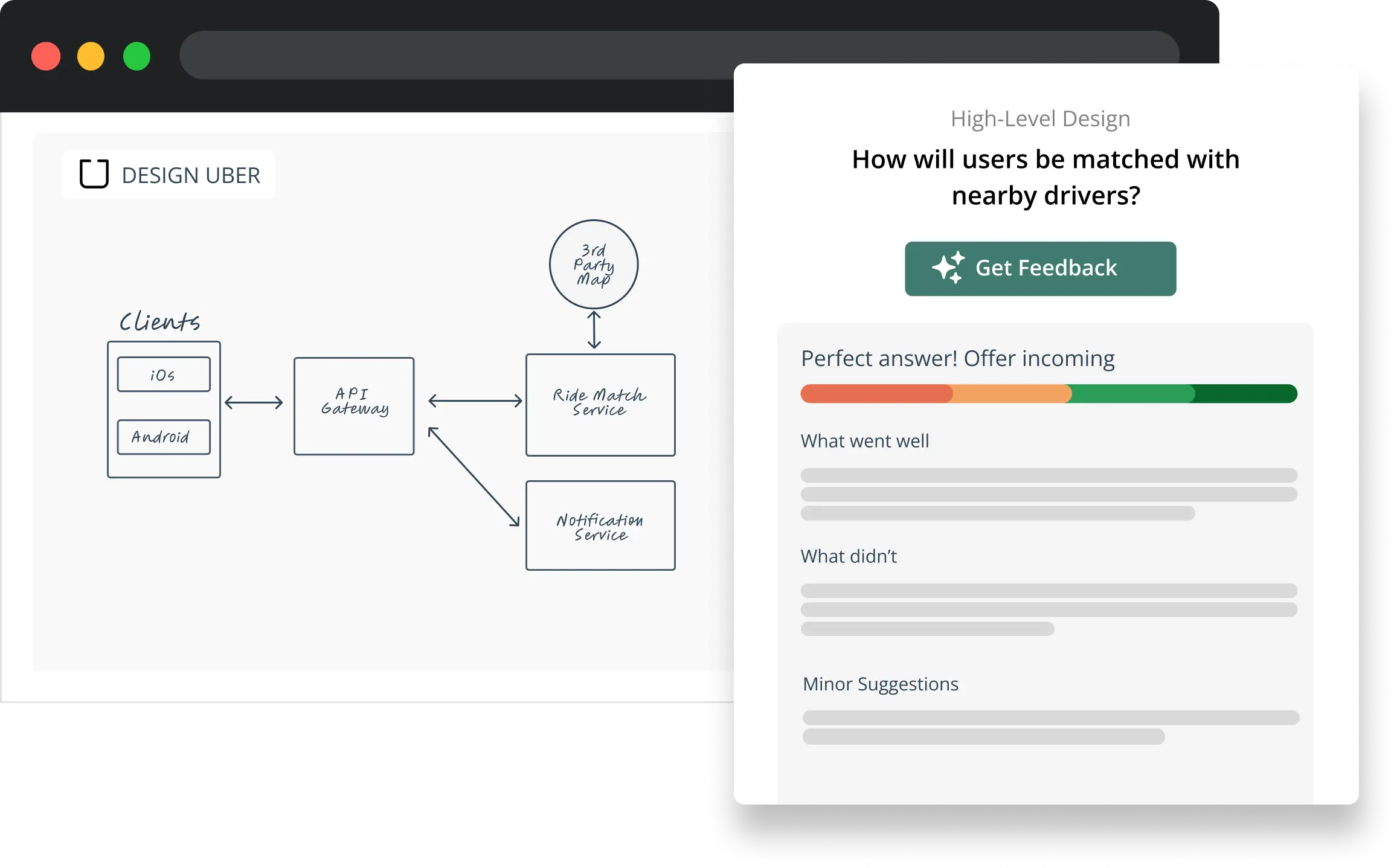

Designing a robust and scalable interview system is a critical task for any organization aiming to streamline its hiring process. The Hello Interview System Design approach focuses on creating a system that is not only efficient but also user-friendly, ensuring a seamless experience for both interviewers and candidates. This blog post will delve into the key components, architecture, and best practices for designing such a system.
Understanding the Requirements
Before diving into the design, it's essential to understand the core requirements of an interview system. These typically include:
- Scheduling interviews
- Managing candidate profiles
- Conducting interviews (both in-person and virtual)
- Evaluating candidates
- Generating reports and analytics
Each of these requirements plays a crucial role in the overall functionality of the system. Let's break down each component in detail.
System Architecture
The architecture of the Hello Interview System Design should be modular and scalable to accommodate future growth. Here are the key layers of the architecture:
- Presentation Layer: This layer handles the user interface and user experience. It includes web and mobile applications that allow users to interact with the system.
- Application Layer: This layer contains the business logic and handles the core functionalities of the system, such as scheduling, evaluation, and reporting.
- Data Layer: This layer manages the storage and retrieval of data. It includes databases and data warehouses that store candidate information, interview details, and evaluation metrics.
Additionally, the system should incorporate microservices architecture to ensure that each component can be developed, deployed, and scaled independently.
Key Components of the System
The Hello Interview System Design comprises several key components, each serving a specific purpose. Let's explore these components in detail:
User Management
User management is a critical component that handles the registration, authentication, and authorization of users. This includes:
- Candidate registration and profile management
- Interviewer and recruiter authentication
- Role-based access control
Implementing a robust user management system ensures that only authorized users can access specific functionalities, enhancing the security of the system.
Scheduling Module
The scheduling module allows interviewers and candidates to schedule interviews at convenient times. Key features include:
- Calendar integration
- Automated reminders
- Conflict resolution
This module should support both manual and automated scheduling to cater to different organizational needs.
Interview Conduct Module
The interview conduct module facilitates the actual interview process. It includes:
- Virtual interview rooms
- In-person interview management
- Real-time collaboration tools
For virtual interviews, the system should support video conferencing, screen sharing, and chat functionalities. For in-person interviews, it should provide tools for managing interview rooms and schedules.
Evaluation Module
The evaluation module allows interviewers to assess candidates based on predefined criteria. Key features include:
- Customizable evaluation forms
- Rating and feedback mechanisms
- Automated scoring
This module should provide a comprehensive view of candidate performance, enabling recruiters to make informed hiring decisions.
Reporting and Analytics
The reporting and analytics module generates insights and reports based on interview data. Key features include:
- Candidate performance reports
- Interviewer performance reports
- Hiring trends and analytics
This module helps organizations identify patterns, optimize their hiring processes, and make data-driven decisions.
Technology Stack
Choosing the right technology stack is crucial for the success of the Hello Interview System Design. Here are some recommended technologies for each layer:
Presentation Layer
- Frontend: React.js, Angular, or Vue.js
- Backend: Node.js, Django, or Ruby on Rails
Application Layer
- Programming Languages: Java, Python, or Go
- Frameworks: Spring Boot, Flask, or Gin
Data Layer
- Databases: PostgreSQL, MySQL, or MongoDB
- Data Warehouses: Amazon Redshift, Google BigQuery, or Snowflake
Additionally, the system should use containerization technologies like Docker and orchestration tools like Kubernetes to ensure scalability and reliability.
Best Practices for Hello Interview System Design
To ensure the success of the Hello Interview System Design, it's essential to follow best practices throughout the development process. Here are some key best practices:
- Modular Design: Design the system in a modular fashion to ensure that each component can be developed, tested, and deployed independently.
- Scalability: Ensure that the system can handle increasing loads and can be scaled horizontally to accommodate more users and data.
- Security: Implement robust security measures, including encryption, authentication, and authorization, to protect sensitive data.
- User Experience: Focus on creating a user-friendly interface that provides a seamless experience for both interviewers and candidates.
- Performance Optimization: Optimize the system for performance by using caching, load balancing, and efficient algorithms.
By following these best practices, you can create a Hello Interview System Design that is efficient, scalable, and user-friendly.
Implementation Steps
Implementing the Hello Interview System Design involves several steps. Here's a high-level overview of the implementation process:
Requirement Gathering
Gather detailed requirements from stakeholders, including interviewers, candidates, and recruiters. This step is crucial for understanding the specific needs and expectations of the system.
System Design
Design the system architecture and components based on the gathered requirements. This includes creating detailed diagrams and specifications for each layer of the system.
Development
Develop the system using the chosen technology stack. This involves writing code, integrating components, and conducting unit testing.
Testing
Conduct thorough testing to ensure the system meets the specified requirements and performs as expected. This includes functional testing, performance testing, and security testing.
Deployment
Deploy the system to a production environment. This involves setting up servers, configuring databases, and ensuring the system is accessible to users.
Maintenance
Provide ongoing maintenance and support to address any issues and make necessary updates. This includes monitoring system performance, fixing bugs, and adding new features.
🔍 Note: Regularly update the system to incorporate new technologies and best practices to ensure it remains competitive and efficient.
Challenges and Solutions
Designing a Hello Interview System Design comes with its own set of challenges. Here are some common challenges and their solutions:
Scalability
Challenge: Ensuring the system can handle a large number of users and data.
Solution: Use microservices architecture and containerization technologies to ensure the system can be scaled horizontally.
Security
Challenge: Protecting sensitive data and ensuring secure access.
Solution: Implement robust security measures, including encryption, authentication, and authorization.
User Experience
Challenge: Creating a user-friendly interface that meets the needs of both interviewers and candidates.
Solution: Conduct user research and usability testing to ensure the interface is intuitive and easy to use.
Performance
Challenge: Ensuring the system performs efficiently under heavy loads.
Solution: Optimize the system for performance by using caching, load balancing, and efficient algorithms.
By addressing these challenges proactively, you can create a Hello Interview System Design that is robust, secure, and efficient.
Future Enhancements
The Hello Interview System Design can be enhanced with additional features to improve its functionality and user experience. Some potential enhancements include:
- AI-powered candidate matching
- Automated interview scheduling
- Real-time collaboration tools
- Advanced analytics and reporting
These enhancements can help organizations streamline their hiring processes, improve candidate selection, and make data-driven decisions.
In conclusion, designing a Hello Interview System Design involves understanding the requirements, choosing the right technology stack, and following best practices. By addressing common challenges and continuously enhancing the system, organizations can create a robust and efficient interview system that meets their specific needs. The key to success lies in creating a system that is not only functional but also user-friendly, ensuring a seamless experience for both interviewers and candidates.
Related Terms:
- basic system design interview questions
- sample system design interview questions
- system design interview ready
- backend system design interview questions
- system design sample questions
- most asked system design questions