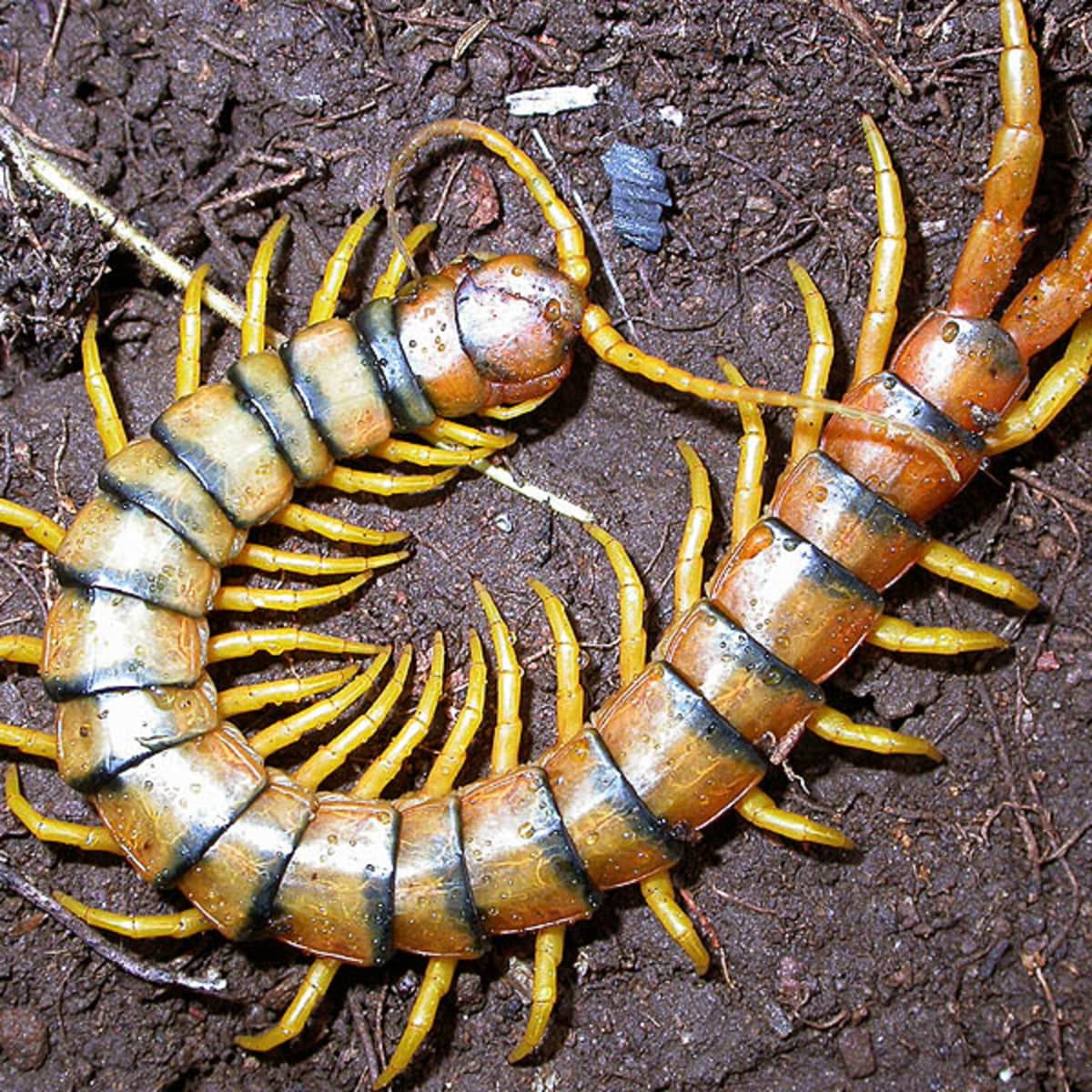

Millipedes are fascinating creatures that often spark curiosity and sometimes fear due to their many legs and segmented bodies. One of the most common questions people ask is, "Does a millipede bite?" This question is often accompanied by concerns about their potential to harm humans or pets. Understanding the behavior and capabilities of millipedes can help alleviate these fears and provide a clearer picture of these intriguing arthropods.
Understanding Millipedes
Millipedes are terrestrial arthropods belonging to the class Diplopoda. They are known for their elongated bodies, which can have anywhere from 20 to over 100 segments, each equipped with two pairs of legs. Despite their name, millipedes do not have a thousand legs; the name is derived from the Greek words "milli" (thousand) and "poda" (feet), reflecting their many-legged appearance.
Millipedes are generally harmless to humans and pets. They are detritivores, meaning they feed on decaying plant material and other organic matter. This makes them beneficial for ecosystems as they help in the decomposition process. However, their defensive mechanisms can sometimes be misunderstood, leading to the misconception that they bite.
Does a Millipede Bite?
The short answer is no, millipedes do not bite. Millipedes lack the mouthparts necessary for biting. Their mouths are designed for chewing and grinding plant material, not for biting or piercing skin. However, millipedes do have other defensive mechanisms that can cause discomfort or irritation.
When threatened, millipedes can release a noxious, irritating fluid from specialized glands. This fluid can cause skin irritation, redness, and a burning sensation. Some species of millipedes can produce a more potent fluid that may cause more severe reactions, including blistering and temporary blindness if it comes into contact with the eyes. This defensive mechanism is often mistaken for a bite, but it is purely a chemical defense.
Identifying Millipede Species
There are thousands of millipede species worldwide, and their defensive capabilities can vary. Some species are more likely to release irritating fluids than others. Here are a few notable species:
- Giant African Millipede (Archispirostreptus gigas): This species is one of the largest millipedes, reaching up to 12 inches in length. It is known for its ability to release a strong, irritating fluid when threatened.
- North American Millipede (Narceus americanus): Commonly found in North America, this species can release a mild irritant that may cause skin redness and a burning sensation.
- Flat-backed Millipede (Polydesmus spp.): These millipedes are known for their flattened bodies and are less likely to release irritating fluids compared to other species.
Millipede Behavior and Habitat
Millipedes are primarily nocturnal creatures, preferring to hide under rocks, logs, and leaf litter during the day. They are slow-moving and spend most of their time burrowing through soil and decaying plant material. Their preferred habitats include forests, gardens, and moist environments where organic matter is abundant.
Millipedes play a crucial role in ecosystems by breaking down dead plant material and recycling nutrients back into the soil. Their presence is often an indicator of a healthy ecosystem. However, their tendency to congregate in large numbers can sometimes be a nuisance, especially in gardens or homes.
Millipede Control and Prevention
While millipedes are generally harmless, their presence in large numbers can be undesirable. Here are some strategies for controlling and preventing millipede infestations:
- Reduce Moisture: Millipedes thrive in moist environments. Reducing moisture levels in your home or garden can make it less hospitable for them. Ensure proper drainage and avoid overwatering plants.
- Remove Debris: Millipedes hide under rocks, logs, and leaf litter. Removing these hiding spots can help reduce their numbers. Keep your garden tidy and remove any potential hiding places.
- Seal Entry Points: Millipedes can enter homes through small cracks and crevices. Seal any entry points around windows, doors, and foundations to prevent them from entering.
- Use Natural Repellents: Certain natural repellents, such as diatomaceous earth and cinnamon, can deter millipedes. Sprinkle these substances around the perimeter of your home or garden to create a barrier.
If you suspect a millipede infestation, it is best to consult with a pest control professional. They can provide tailored solutions to address the issue effectively.
📝 Note: Always handle millipedes with care, even if they do not bite. Their defensive fluids can cause skin irritation and other discomforts.
Millipede vs. Centipede
Millipedes are often confused with centipedes, another group of many-legged arthropods. While both belong to the class Myriapoda, they have distinct differences. Centipedes are predators with venomous bites, while millipedes are detritivores with no biting capabilities. Centipedes have one pair of legs per body segment, whereas millipedes have two pairs.
Here is a comparison table to highlight the differences:
| Feature | Millipede | Centipede |
|---|---|---|
| Number of Legs per Segment | Two pairs | One pair |
| Diet | Detritivore (decaying plant material) | Predator (insects and other small animals) |
| Defensive Mechanism | Irritating fluid | Venomous bite |
| Speed | Slow-moving | Fast-moving |
Millipede Lifecycle and Reproduction
Millipedes undergo a process called epimorphosis, where they hatch from eggs as miniature versions of adults and gradually grow through a series of molts. The lifecycle of a millipede typically includes the following stages:
- Egg: Female millipedes lay their eggs in moist soil or under decaying plant material. The number of eggs can vary by species, ranging from a few to over a hundred.
- Hatchling: Millipede hatchlings emerge from the eggs and resemble miniature adults. They are vulnerable to predators and environmental conditions.
- Juvenile: As the millipede grows, it undergoes several molts, shedding its exoskeleton to accommodate its increasing size. During each molt, the millipede adds new segments and leg pairs.
- Adult: Once fully grown, millipedes reach sexual maturity and are capable of reproducing. The lifespan of a millipede can vary by species, ranging from a few months to several years.
Millipedes are hermaphroditic, meaning they possess both male and female reproductive organs. However, they typically mate with another millipede to reproduce. The mating process involves the exchange of sperm packets, which are then used to fertilize the eggs.
📝 Note: Millipedes are not social creatures and do not form colonies or groups. They are solitary animals that only come together for mating purposes.
Millipede Conservation
While millipedes are not endangered, their populations can be affected by habitat destruction and environmental changes. Conserving millipede habitats is essential for maintaining healthy ecosystems. Here are some ways to support millipede conservation:
- Protect Natural Habitats: Preserve forests, gardens, and other natural areas where millipedes thrive. Avoid using pesticides and herbicides that can harm millipede populations.
- Promote Organic Gardening: Encourage organic gardening practices that support millipede populations. Composting and using natural fertilizers can create a healthy environment for millipedes.
- Educate Others: Raise awareness about the importance of millipedes in ecosystems. Educate others about their beneficial role in decomposition and nutrient recycling.
By understanding and appreciating millipedes, we can contribute to their conservation and the health of our ecosystems.
Millipedes are fascinating creatures that play a vital role in ecosystems. Understanding their behavior, defensive mechanisms, and lifecycle can help dispel myths and misconceptions about these many-legged arthropods. While millipedes do not bite, their ability to release irritating fluids can cause discomfort. By taking appropriate measures to control and prevent millipede infestations, we can coexist with these beneficial creatures while minimizing any potential nuisances. Their presence in our environments is a testament to the health and balance of our ecosystems, and conserving their habitats is essential for maintaining this delicate equilibrium.
Related Terms:
- how do millipedes protect themselves
- millipede poisonous
- are millipedes dangerous to humans
- millipede toxin
- are millipedes poisonous to humans
- millipede bite poisonous pictures