Entering the world of creative design often feels like standing before a vast ocean of possibilities, where the right tool serves as your compass. Whether you are a professional contractor, a DIY enthusiast, or a fine artist, the concept of precision remains the ultimate goal. When you utilize 1 Stencil, you are not just applying a pattern; you are ensuring that every line, curve, and edge is executed with surgical accuracy. This level of consistency is what separates amateur projects from professional-grade masterpieces. In this comprehensive guide, we will explore how a single, well-crafted stencil can revolutionize your workflow, save you hours of manual labor, and provide a repeatable framework for excellence across various mediums.
Understanding the Versatility of a Single Template System
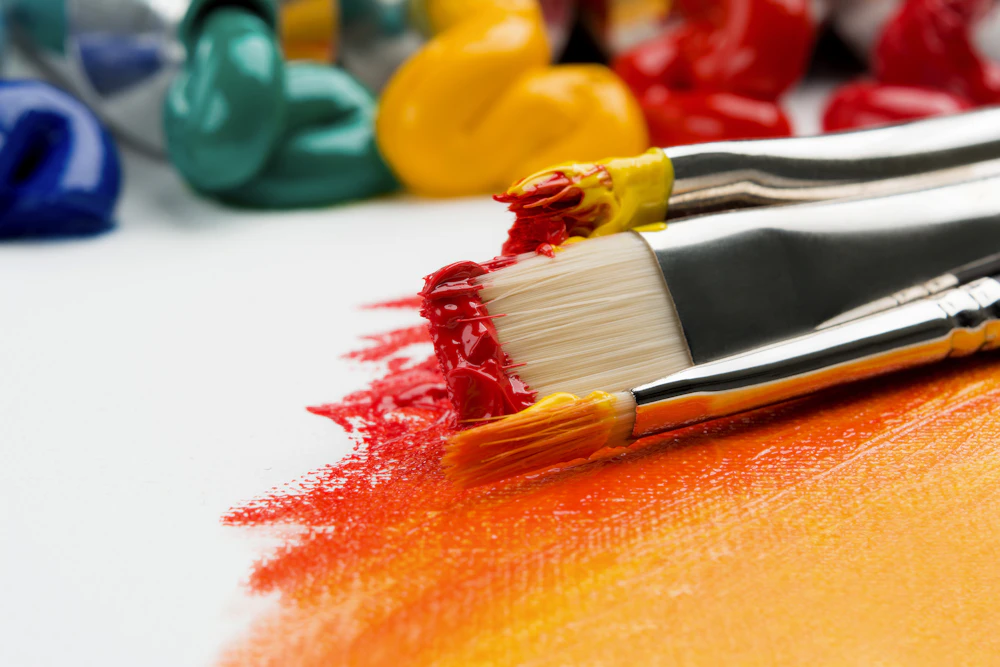
The philosophy behind using 1 Stencil is rooted in the idea of "doing more with less." In an era where we are inundated with complex digital tools, the tactile reliability of a physical or digital template provides a grounding force for creativity. A single stencil serves as a master key, allowing you to replicate intricate designs on wood, fabric, metal, or digital canvases without the risk of human error inherent in freehand work.
Why do professionals lean so heavily on this method? The reasons are multifaceted:
- Consistency: Achieving the exact same result ten, fifty, or a hundred times.
- Efficiency: Reducing the "setup time" for repetitive tasks significantly.
- Scalability: A design captured in a template can often be scaled to fit different surfaces while maintaining its proportions.
- Cost-Effectiveness: Investing in high-quality materials for a single template is cheaper than constantly buying disposable supplies.
When you focus your energy on mastering the application of 1 Stencil, you begin to see patterns in nature and industry that can be simplified and improved. It is about capturing an essence and making it permanent.
The Technical Anatomy of High-Quality Stencils
Not all templates are created equal. The effectiveness of your project depends heavily on the material and the cut of the stencil you choose. Depending on your specific needs, you might opt for different thicknesses or materials to ensure the 1 Stencil you use survives the duration of your project.
| Material Type | Best Use Case | Durability Level |
|---|---|---|
| Mylar (Polyester Film) | Painting, airbrushing, and crafts. | High (Reusable) |
| Vinyl (Adhesive) | Etching, sharp lines on curved surfaces. | Single Use |
| Stainless Steel | Industrial marking, high-heat applications. | Extreme |
| Cardstock/Paper | Prototyping and dry media. | Low |
Choosing the right material ensures that your 1 Stencil doesn't bleed or warp under the pressure of paint or chemical solvents. For instance, Mylar is favored by many because it is flexible enough to wrap around cylinders but rigid enough to stay flat on a wall.
Step-by-Step Guide: Mastering the Application Process

Success with any template-based project comes down to the preparation. Even with the perfect 1 Stencil, poor technique can lead to "underspray" or "bleeding," where the medium seeps under the edges of the design. Follow these steps to ensure a crisp finish every time.
Step 1: Surface Preparation
Ensure the surface is clean, dry, and free of dust. If you are working on wood, a light sanding might be necessary. If it's metal, degreasing is essential. The flatter the surface, the better the contact between the template and the substrate.
Step 2: Securing the Template
Use a low-tack repositionable spray adhesive or painter's tape to hold your 1 Stencil in place. This prevents the template from shifting mid-application, which is the most common cause of ruined projects.
Step 3: Loading the Applicator
Whether using a brush, sponge, or spray, the "less is more" rule applies. If using a brush, dip it in paint and then dab most of it off onto a paper towel. This "dry brush" technique is the secret to preventing bleeds.
Step 4: The Application
Apply the paint in a dabbing (stippling) motion or light circular strokes. Avoid pushing paint toward the edges of the stencil; instead, work from the outside in or move straight down onto the surface.
💡 Note: Always test your technique on a scrap piece of material before moving to your final project to gauge how the paint reacts with the stencil edge.
Step 5: The Reveal
Wait until the paint is "tack-dry" before removing the template. Pull it straight up to avoid smearing the edges. If you are using a reusable 1 Stencil, clean it immediately after use to prevent paint buildup in the fine details.
Industrial and Commercial Applications
Beyond the world of home decor and hobbyist crafts, the use of 1 Stencil is a staple in industrial settings. From marking shipping crates to labeling complex machinery parts, the speed provided by a standardized template is unmatched. In these environments, the focus shifts from aesthetics to legibility and durability.
In logistics, for example, a single stencil can be used to mark thousands of pallets. This ensures that safety warnings and destination codes are perfectly readable, reducing errors in global supply chains. The 1 Stencil approach in industry often involves specialized inks that can withstand UV exposure, moisture, and abrasion.
- Street Marking: Using large-scale templates for "Stop" or "No Parking" signs.
- Aviation: Labeling parts and safety instructions on aircraft fuselages.
- Branding: Adding logos to rustic packaging or wooden crates for a "handmade" look.
Digital Stenciling: The Modern Frontier

As we move further into the digital age, the concept of 1 Stencil has evolved. Graphic designers and digital illustrators use "layer masks" and "clipping masks," which function exactly like physical stencils. By defining a specific area where "ink" (pixels) can be applied, designers can create complex textures and lighting effects without affecting the rest of the image.
Digital stencils are incredibly powerful because they are non-destructive. You can apply a texture through a digital 1 Stencil and, if you don't like the color, change it instantly without having to re-paint the entire section. This marriage of traditional logic and modern technology is how many of the visual effects in today’s films and video games are created.
Maintenance and Longevity of Your Tools
To get the most value out of your 1 Stencil, you must treat it as a precision instrument. If you are using plastic-based materials like Mylar, proper cleaning is the difference between a tool that lasts for one project and one that lasts for a decade.
When using acrylic paints, a soak in warm soapy water usually does the trick. However, for oil-based paints or spray paints, you may need a specialized cleaner. Be careful not to scrub too hard, as thin bridges in the design can snap. Store your stencils flat between sheets of cardboard to prevent bending or creasing.
⚠️ Note: Avoid using harsh chemicals like acetone on thin plastic stencils, as it can melt the edges and ruin the precision of the cut.
The Psychological Impact of Pattern and Repetition
There is a deep psychological satisfaction in the use of 1 Stencil. Human beings are naturally drawn to symmetry and patterns. When we see a perfectly repeated motif across a large surface, it creates a sense of order and intentionality. In interior design, using a stencil to create an "accent wall" provides the visual interest of wallpaper but with the customization of paint.
Furthermore, the act of stenciling can be meditative. The repetitive motion, the focus on placement, and the eventual reveal provide a dopamine hit that freehand painting sometimes lacks due to the high stress of potential mistakes. By using 1 Stencil, you remove the fear of "messing up" and replace it with the joy of execution.
Common Challenges and How to Overcome Them
Even with the best tools, you might encounter hurdles. One common issue is "stencil creep," where the template moves slightly during a long project. This usually happens when the adhesive wears off. To combat this, always keep a can of repositionable spray adhesive nearby to refresh the back of your 1 Stencil every few applications.
Another challenge is the buildup of paint on the template itself. Over time, the layers of paint make the edges of the 1 Stencil thicker, which can lead to blurry lines. Periodic cleaning during a large project is a must. If you notice the paint is getting thick, take a break, clean the tool, and start fresh once it’s dry.
Finally, consider the surface texture. If you are stenciling on a very rough surface, like a brick wall, you will never get a perfectly crisp line. In these cases, embrace the "distressed" look. Instead of fighting the texture, use a sponge to lightly dab paint, allowing the natural crevices of the brick to show through, which adds character to the 1 Stencil design.
Future Trends in Template Design
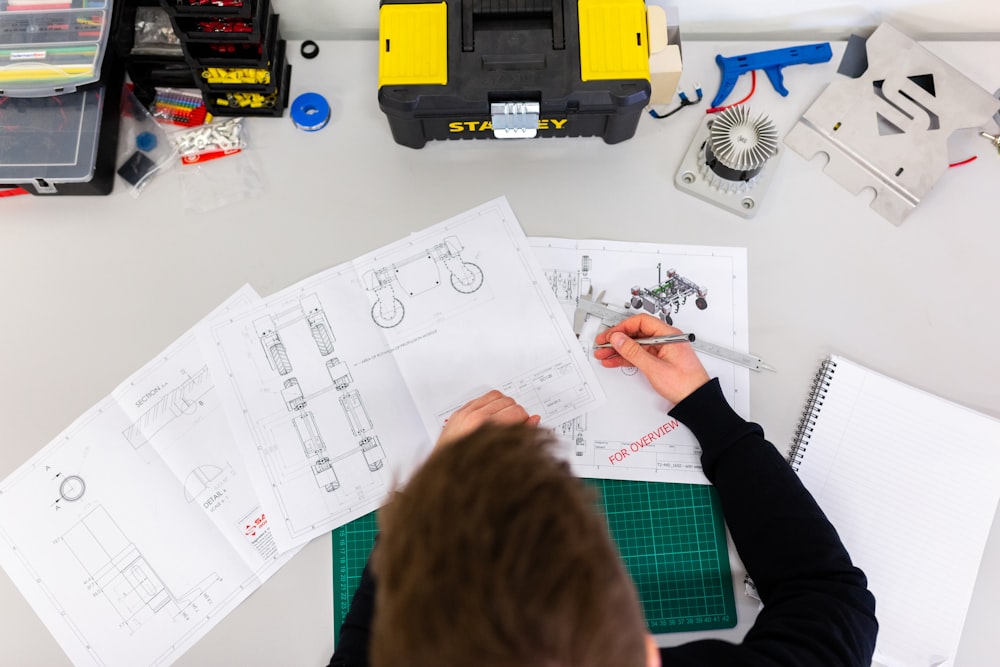
The future of 1 Stencil technology lies in customization. With the rise of affordable laser cutters and 3D printers, individuals can now create their own high-precision templates at home. This democratization of design means that you are no longer limited to the patterns found in hardware stores. You can take a photograph, convert it into a vector file, and cut your own custom 1 Stencil in minutes.
We are also seeing the emergence of "smart stencils" in industrial fields—templates that include RFID tags or QR codes to help robotic arms identify where to apply paint or weld. While the physical form remains a simple cutout, the integration with data makes the humble stencil a vital part of the fourth industrial revolution.
The power of a singular, well-executed design tool cannot be overstated. From the ancient cave paintings where early humans used their hands as the original 1 Stencil to the high-tech laser-cut templates of today, this method remains the most reliable way to bridge the gap between imagination and reality. By focusing on quality materials, proper preparation, and patient execution, you can transform any surface into a work of art or a model of industrial efficiency. The journey of a thousand impressions begins with just 1 Stencil, proving that simplicity is often the ultimate sophistication in both art and industry. Whether you are looking to brand a product, decorate a home, or streamline a manufacturing process, the principles of template-based design offer a path to consistent, professional results every time.
Related Terms:
- number 1 stencil printable
- number 1 stencils free printable
- number 1 template printable
- 1 stencil letters
- 1 stencil machine
- 1 inch stencils for painting
